I’ll never forget the time I almost lost a finger while chopping vegetables because my cutting board kept slipping. It was one of those frantic weeknight dinners where I was trying to multitask: stirring a sauce, checking on the oven, and hurriedly slicing carrots. That’s when I learned a simple trick that saved me: placing a damp paper towel underneath the cutting board. Instantly, it stayed in place, and I could chop without fear of an accident.

That moment made me appreciate the little kitchen hacks that can make cooking smoother, safer, and more enjoyable. Here, I’m sharing some of my favorite time-saving and efficiency-boosting tricks that have transformed my kitchen experience. Whether you’re a seasoned cook or just getting started, these tips will help streamline your routine and make cooking more fun.

Simple Tricks to Make Cooking Faster and Easier
Cooking doesn’t have to be a time-consuming chore. With a few simple tricks, you can speed up the process and make your time in the kitchen much more efficient.
Preventing Cutting Boards from Slipping
A wobbly cutting board can be dangerous, but the fix is incredibly easy: place a damp paper towel or silicone mat underneath. This creates friction, preventing the board from sliding around as you chop. Ever since I started doing this, I’ve felt much more in control of my knife work, especially when slicing slippery ingredients like tomatoes.
Freezing Onions to Stop Tears
Chopping onions can be an unpleasant experience, but a simple trick can help you avoid the tears. If you’ve ever chopped onions and ended up with burning eyes and uncontrollable tears, you’re not alone. The culprit? Sulfur compounds are released when the onion is cut. A simple way to reduce the sting is to pop the onion in the freezer for 10 to 15 minutes before chopping. The cold slows down the release of these compounds, making the process much more bearable. I used to dread dicing onions, but this trick has changed my meal prep game for the better.
Saving Pasta Water for Better Sauces
Ever wonder why restaurant pasta dishes have such silky, well-coated sauces? The secret is pasta water! The starchy water left behind after boiling pasta helps thicken and emulsify sauces, creating a smooth, restaurant-quality texture. I learned this the hard way after making a dry, clumpy Alfredo sauce. Now, I always reserve a cup of pasta water before draining and use it to perfect my sauces.

Food Storage Tips to Extend Freshness
Proper storage methods can help extend the life of your ingredients, reducing waste, like with meat, expensive brown eggs, or avocados, and keeping your food fresher for longer.
Proper Spice Storage
Spices lose their potency over time, especially when stored near heat and light. The best way to preserve their flavor is to keep them in airtight containers in a cool, dark place: away from the stove. After revamping my spice drawer and following this method, I noticed a huge difference in the intensity of my seasonings. No more dull-tasting dishes!
Flour Storage Tips
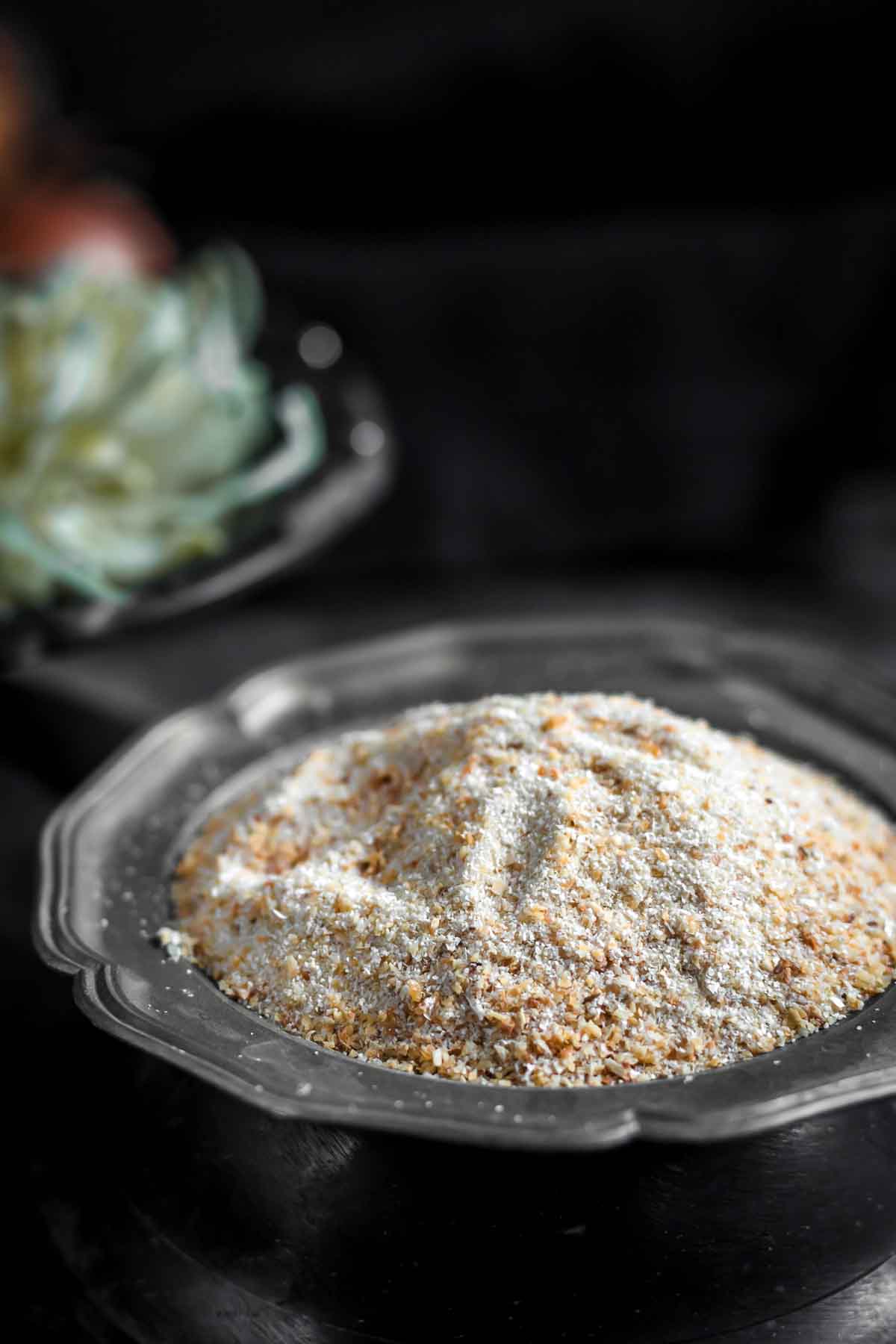
Just like rice, flour may seem like a low-maintenance pantry staple, but improper storage can lead to pest infestations. To keep flour fresh and bug-free, store it in an airtight container and freeze it for 48 hours before transferring it to the pantry. I learned this the hard way after discovering pantry moths in my baking supplies: never again!
Extending Herb Freshness
Fresh herbs can wilt quickly, but storing them like a bouquet in a jar of water in the fridge keeps them vibrant for much longer. Just trim the stems, place them in a jar with an inch of water, and loosely cover them with a plastic bag. I started doing this with cilantro and parsley, and it has drastically reduced my food waste while keeping my dishes tasting fresh.
Bonus Time-Saving Hacks
If you’re looking for ways to make your time in the kitchen even more efficient, these additional tips will help you save time and effort.
Prepping Ingredients in Advance
Washing beans, chopping, and storing veggies at the start of the week is a game-changer. When dinner rolls around, half the work is already done! I started doing this during my busiest weeks, and it has made cooking after a long day so much easier.
Using Kitchen Tools Creatively
Kitchen tools can be used in unexpected ways to make meal prep more convenient. Think outside the box with your gadgets! A muffin tin isn’t just for baking: it’s great for portioning out sauces or ingredients like olive oil, dressings, or even pancake batter. I use this trick on meal prep Sundays to freeze homemade pasta sauce in perfect serving sizes.

Labeling and Dating Leftovers
Keeping track of leftovers can be tricky, but a simple labeling system can prevent food waste. There’s nothing worse than discovering an unidentifiable container of food in the fridge. To avoid this, I started labeling leftovers with the date and contents. Not only does this help reduce food waste, but it has also saved me from eating questionable “mystery soup” more than once.
Final Words
By incorporating these simple kitchen hacks, you can save time, reduce stress, and make cooking a more enjoyable experience. From stabilizing cutting boards to extending the life of your ingredients, these tricks have helped me tremendously, and I hope they do the same for you.
Give them a try, experiment with what works best in your kitchen, and share your favorite hacks in the comments or on social media. Happy cooking!
Pin and Come Back Anytime

Need Support or have Questions? Join us on Facebook.
Follow us on Pinterest, Instagram, TikTok, Flipboard, or YouTube.
For weekly New Recipes and a FREE E-Book get into our NEWSLETTER.
