I learned the hard way just how important fresh spices are when I once made a batch of chili using some old cumin and chili powder. The result? A bland, lifeless dish that lacked the deep warmth and complexity I was expecting. That experience taught me that even the best recipe can fall flat if the spices aren’t up to par.
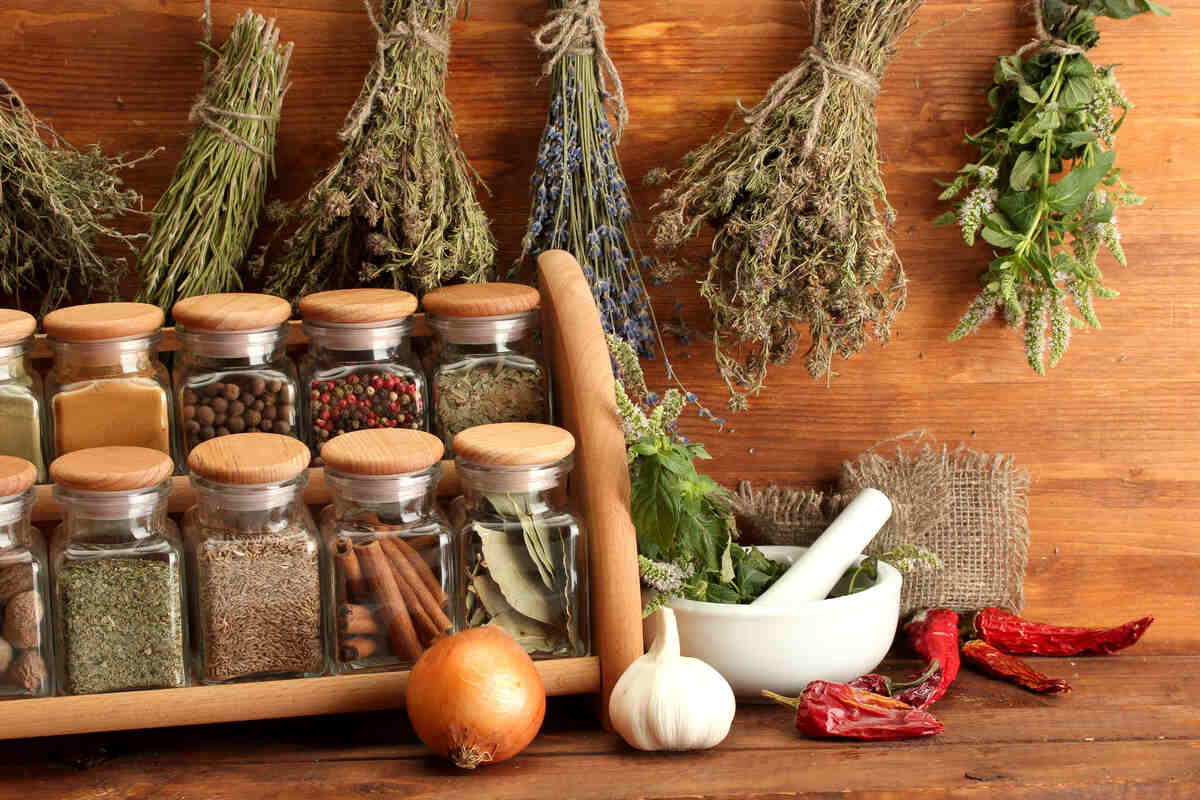
Spices are the backbone of flavor in cooking, but their potency fades over time. If you’ve ever followed a recipe to the letter and still found your dish lacking in depth, stale spices might be to blame. This guide will help you identify when your spices have lost their punch, when to replace them, and how to store them properly to keep them fresh as long as possible.

How Spices Lose Their Potency
Over time, spices lose their strength due to natural chemical processes, making them less effective in adding depth and flavor to your dishes. Especially when it is homemade, like onion powder or ranch.
The Science Behind It
Spices get their robust flavors from essential oils, which gradually break down when exposed to air, light, heat, and humidity. The more volatile the oil, the faster the spice loses its aroma and taste. Ground spices, with more surface area exposed to these elements, deteriorate faster than whole spices.
Impact on Cooking
Stale spices can make food taste dull or unbalanced, even if every other ingredient is fresh. You might find yourself adding more and more spice to get the desired effect, but at a certain point, no amount will bring back the lost depth of flavor.
Personal Tip
I’ve learned to treat spices like fresh ingredients; they have a lifespan, and using stale ones is like using wilted herbs or past-their-prime produce. To maximize freshness, I prefer to buy whole spices and grind them as needed. When I do purchase pre-ground spices, I make sure they come from a reputable source and aren’t sitting on the shelf for too long.
How to Tell If Your Spices Are Stale
Determining whether your spices are still fresh is simple if you know what signs to look for, from aroma to taste and color changes.
The Smell Test
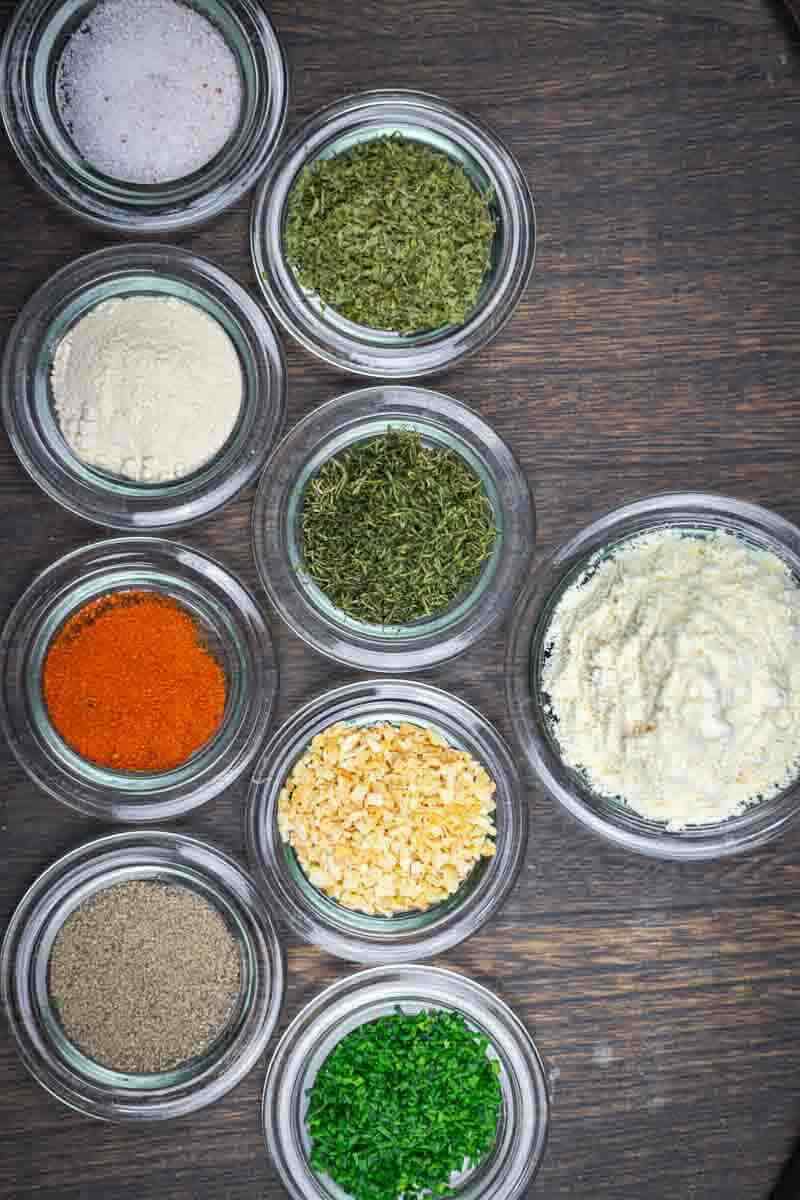
One of the simplest ways to check if a spice is still good is to smell it. Fresh spices should have a strong, distinct aroma. If you take a sniff and detect nothing or only a faint scent, it’s time to replace it. For instance, fresh cinnamon should be sweet and pungent, while stale cinnamon smells flat and dull.
The Taste Test
A quick taste test can confirm what your nose suspects. Take a small pinch of the spice and let it sit on your tongue. If it lacks the expected punch or has a musty, faded flavor, it’s past its prime. I once tried using old cayenne pepper in a dish, thinking it was fine, only to realize it contributed almost no heat or vibrancy to the meal.
Visual Clues
Certain spices change color as they age. Paprika and chili powder, for example, fade from a rich red to a dull brownish hue. If your spice looks significantly different from when you bought it, it’s likely past its best.
When to Replace Your Spices
While some spices last longer than others, knowing general shelf-life guidelines can help you maintain a spice collection that enhances your cooking.
General Guidelines
While there’s no hard and fast rule, these general timelines can help:
- Ground spices: 6 months to 1 year
- Whole spices: Up to 2 years
- Dried herbs: 6 months to 1 year
- Seeds (like sesame or poppy seeds): 6 months to 1 year (because of their oil content, which can turn rancid)
Exceptions to the Rule
Oily seeds and nuts in spice blends (like sesame seeds in za’atar) can go rancid faster than dry spices. Always check for off smells; rancid spices have a bitter, unpleasant scent.

Personal Rule of Thumb
If I can’t remember when I bought a spice or if it fails the smell-and-taste test, I don’t take any chances; I replace it. Keeping spices fresh ensures my cooking is always vibrant and flavorful.
How to Store Spices to Keep Them Fresh Longer
Proper storage is key to extending the lifespan of your spices, ensuring they retain their aroma and potency for as long as possible.
Avoid Heat and Humidity
Storing spices above the stove may be convenient, but the heat and humidity from cooking can quickly degrade them. Instead, I keep mine in a cool, dark cabinet away from direct sunlight and moisture.
Use Airtight Containers
Glass jars with tight-fitting lids are my go-to for spice storage. They keep air and moisture out, which helps maintain freshness longer. Avoid leaving spices in their original plastic bags or flimsy containers.
Label and Date
To keep track of freshness, I label my spice jars with the purchase date. This simple habit helps me remember when it’s time for a refresh.
Buy in Small Quantities
If a spice isn’t used often, I buy a smaller amount to avoid it sitting around for years. While bulk buying may seem economical, it’s only worth it if you use the spice frequently.

Bonus Tips for Reviving Spices
If your spices have lost some of their vibrancy, there are ways to bring them back to life and maximize their flavor potential.
Toasting Whole Spices
To bring out their aroma and flavor, I toast whole spices like cumin or coriander seeds in a dry pan for a minute before grinding them. This simple step releases essential oils and intensifies their taste.
Grinding Your Own
Grinding whole spices at home ensures the freshest flavor. A small coffee grinder or a mortar and pestle works wonders for spices like black pepper, cloves, or nutmeg.
Final Thoughts
Fresh spices can transform your cooking, while stale ones can make even the best recipes taste lackluster. By testing spices for freshness, replacing them regularly, and storing them properly, you can ensure your dishes are always packed with flavor. Take a moment today to check your spice cabinet; you might be surprised at what needs replacing.
Have any tips or experiences with stale spices? Share them in the comments.
Pin and Come Back Anytime
Need Support or have Questions? Join us on Facebook.
Follow us on Pinterest, Instagram, TikTok, Flipboard, or YouTube.
For weekly New Recipes and a FREE E-Book get into our NEWSLETTER.
