I used to think deglazing was some fancy chef move, something you only see on cooking shows when they toss wine into a sizzling pan. But curiosity got the better of me, and I gave it a try. Turns out, it’s not complicated at all. It’s just one of those small kitchen tricks that makes everything taste like it’s had a little extra love.
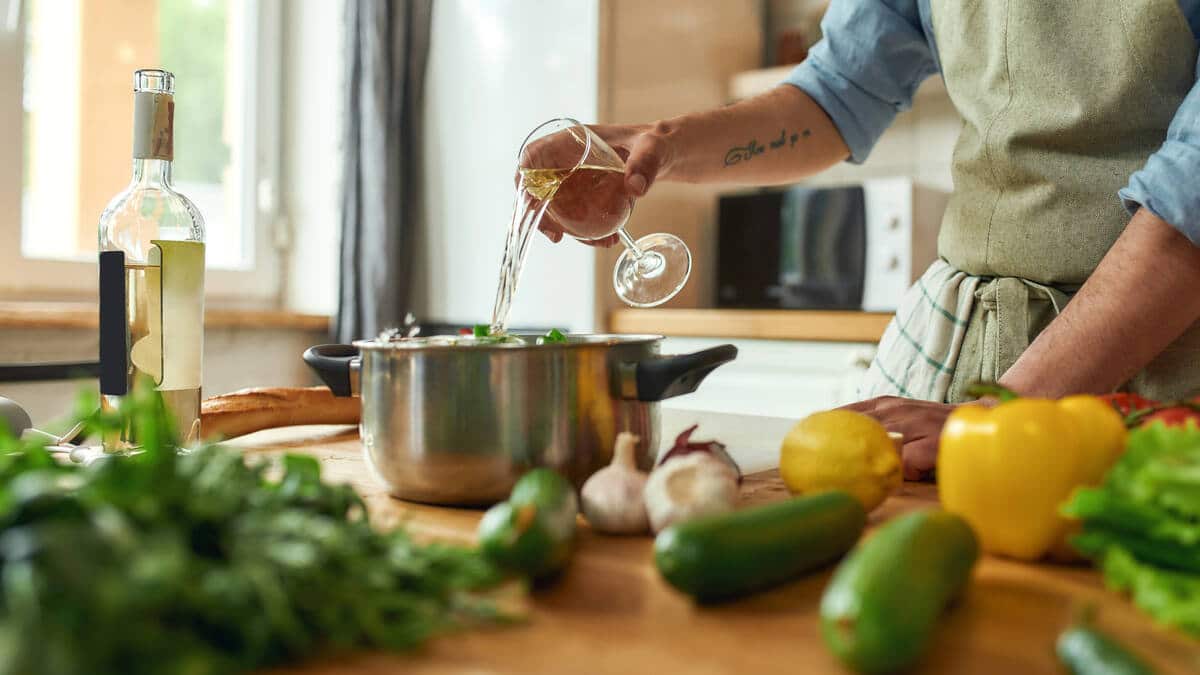
Deglazing takes those crusty bits at the bottom of the pan and turns them into a concentrated base of flavor that deepens everything that follows. The process works by loosening the caramelized proteins and sugars, which are known as fond, that form during high-heat cooking. Once those bits dissolve into your chosen liquid, they infuse the sauce with complex, savory notes you just can’t get from seasoning alone.

Why Deglaze?
When I started digging into why chefs always talk about deglazing, it finally clicked: it’s not just about flavor, it’s about getting more from what’s already in the pan. It felt like I’d stumbled onto this little behind-the-scenes secret that makes everything taste better.
Lifts Flavorful Bits
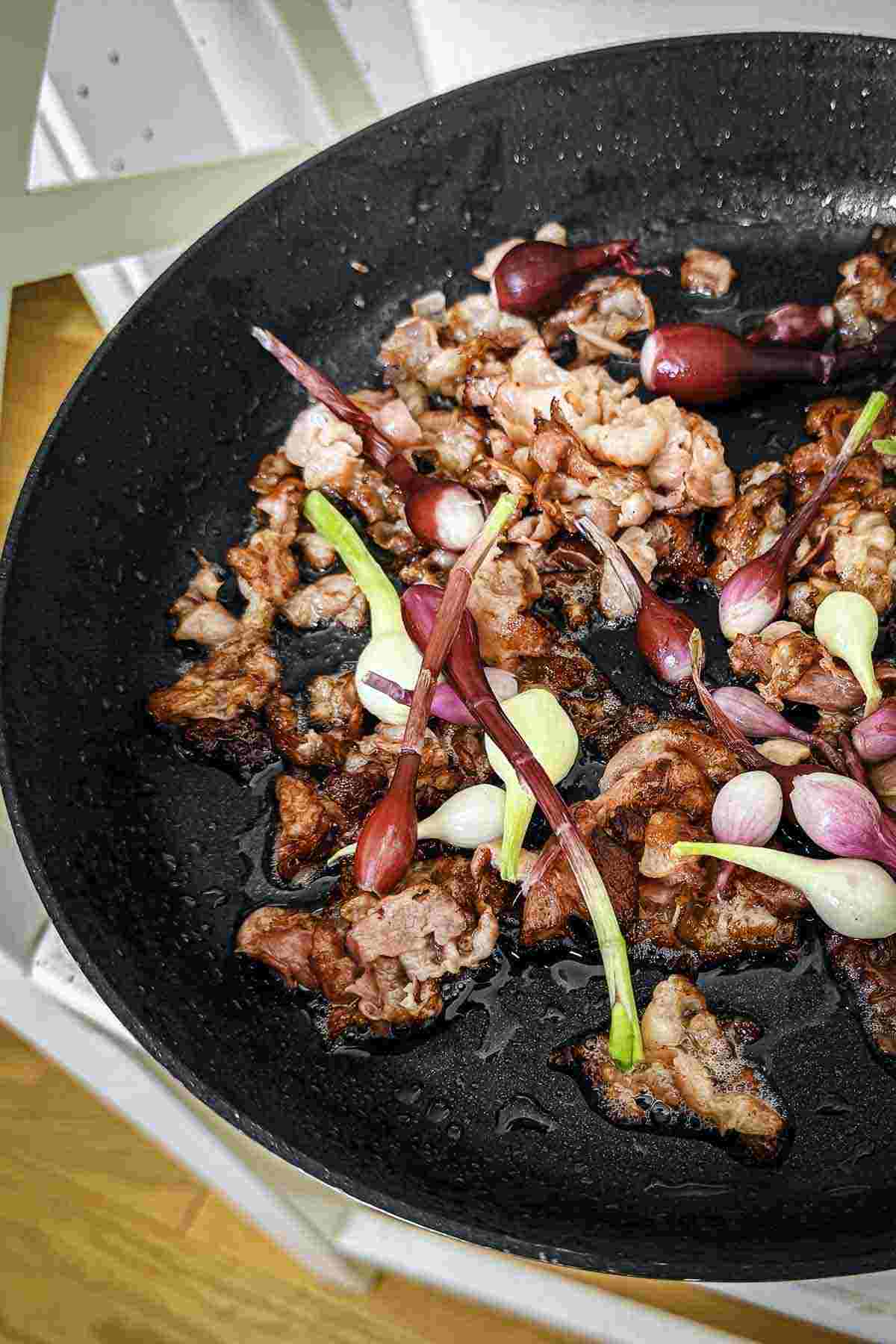
You know those little browned bits stuck to the pan after searing meat? That’s flavor gold right there. When I first learned they were called fond, I thought it sounded fancy, but really, it’s just delicious. Deglazing pulls all that rich, concentrated flavor right into your sauce. It turns what looks like burnt leftovers into the star of the dish.
Enhances Depth
Flat-tasting sauces used to be a mystery to me. I followed the recipe, but something always felt missing. Once I started deglazing, there was suddenly this deep, savory base that made each bite feel more rounded. It’s like switching from a black-and-white sketch to full color.
Reduces Waste
Back when I didn’t know better, I’d scrub the pan clean and watch all that flavor go right down the drain. Now, it feels good knowing that nothing goes to waste, and honestly, it just tastes better. Deglazing helps me stretch ingredients and respect the effort I put into the dish from the start.
How to Deglaze a Pan
I used to think deglazing was something reserved for fancy kitchens, but the first time I tried it, I was amazed at how simple it actually is. Now it’s just a regular part of how I cook. These steps are quick, reliable and they always deliver bold flavor.
Choose a Liquid
This is where the fun starts. I think about what kind of vibe I want, bold and earthy? Red wine. Light and tangy? White wine or a bit of vinegar. If I’m keeping things mellow, broth always steps in. There’s no one right answer, and I love experimenting to see how each liquid changes the flavor.
Add While Hot
The sizzle is the best part. Right after I take the meat out, while the pan’s still hot, I pour in the liquid and listen for that quick burst of sound. That’s when I know it’s starting to work. The heat helps lift the fond from the surface so everything mixes together fast. It’s quick, but it’s the step that makes everything come alive.
Scrape the Bottom
Grab a wooden spoon and gently work your way across the bottom of the pan. It’s satisfying to feel those little bits lift up and melt into the liquid; that’s where the depth comes from. It’s the moment where the sauce really starts to build itself.
Simmer and Reduce
Now, just let it do its thing. I bring the heat down a bit and let the liquid bubble gently. It starts to thicken, and the flavors get more intense with every minute. Sometimes I add a knob of butter or a splash of cream to round it out. Other times, I leave it alone and let the fond speak for itself.
Recipe Ideas Using Deglazing
Once I learned to deglaze, I started throwing it into all sorts of dishes, not just sauces. It’s one of those kitchen habits that makes everything taste like I tried harder than I actually did. These ideas are where I go when I want big flavor with minimal effort.
Pan Sauces
After cooking a steak or chicken breast, I add a splash of wine or broth and let it bubble. Then I swirl in a bit of butter or mustard to bring everything together. In just minutes, I’ve got a rich sauce that tastes like it took way more effort than it did.
Gravy
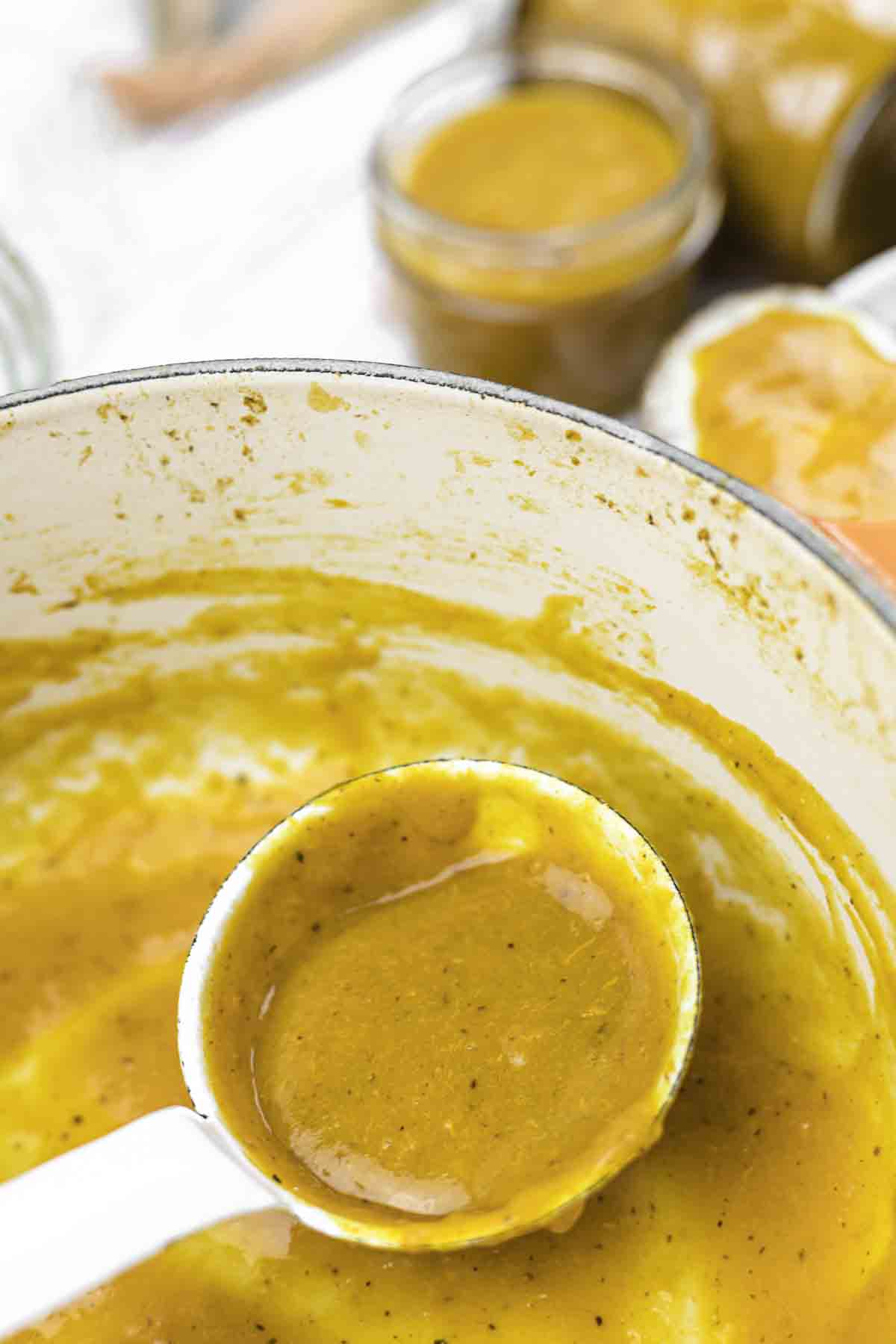
Whenever I roast meat, I save those drippings like gold. Deglazing the roasting pan with broth lets me catch all that roasted flavor before it disappears. I whisk in some flour to thicken it up, and suddenly I’ve got a gravy that pulls the whole meal together.
Soups and Stews
Deglazing isn’t just for sauces; it works wonders at the start of a stew or soup, too. I brown the meat or vegetables, then splash in a little broth to lift the fond before adding the rest of the ingredients. It adds that slow-cooked flavor right from the start, even if I’m short on time.
Pasta Sauces
I’ve stopped draining away all the flavor from browning sausage or mushrooms for pasta night. A quick deglaze with wine or tomato juice picks up those bits and folds them right into the sauce. It gives me a depth that jarred sauce just can’t match, and it makes everything feel more homemade.
Vegetable Dishes
A bit of broth or lemon juice in the hot pan pulls the caramelized bits off and coats everything in a quick glaze. It’s the kind of trick that makes roasted carrots or green beans taste like they came from a restaurant kitchen.

Stir-Fry Finishes
At the very end of a stir-fry, I splash in soy sauce and maybe a bit of broth or rice vinegar. It hits the hot pan, steams up and pulls all those browned edges into the sauce. Suddenly the stir-fry has body, shine and a hit of flavor that wasn’t there a second ago.
Common Deglazing Tips
I’ve hit a few bumps figuring out the best way to deglaze, but every mistake taught me something useful. These are the tips I keep in my back pocket anytime I want things to go smoothly.
Don’t Burn the Fond
I’ve learned the hard way that high heat can go from caramelizing to scorching fast. Once the fond turns bitter, there’s no saving it. I keep the pan hot but under control, and as soon as it looks golden brown, I’m ready with the liquid. It’s about catching it at just the right moment.
Use the Right Tool
I used to use metal, but it scratched my pans. Now, I stick to a sturdy wooden or silicone one that gets into corners and lifts the fond without damage. It’s one of those tools I never put away because I reach for it constantly.
Experiment with Liquids
I used to think deglazing meant wine or nothing. But over time, I’ve tried balsamic vinegar, citrus juice, even apple cider, and every single one gave the dish its own personality. Now, I look at what I’m cooking and pick a liquid that plays well with the flavors. It’s like a quick way to customize a dish without overthinking it.
Why Deglazing Is a Game-Changer
It’s amazing how deglazing is such a simple step that can transform the flavor of a dish. Over time, I’ve come to rely on deglazing as a dependable trick that turns good meals into great ones. It’s a quick step that guarantees a better texture, richer flavors and a more polished final dish.
Pin and Come Back Anytime

Need Support or have Questions? Join us on Facebook.
Follow us on Pinterest, Instagram, TikTok, Flipboard, or YouTube.
For weekly New Recipes and a FREE E-Book get into our NEWSLETTER.
