When I first started cooking rice, I thought it was as easy as adding water and turning on the heat. But time and time again, I’d lift the lid to find a sticky, mushy mess, or worse, dry, undercooked grains. It felt like a guessing game. But after testing different techniques, I finally cracked the code. The secret to how to cook rice like a pro? A few simple rules that make all the difference.

Why Rinsing Matters
Rinsing rice isn’t optional for me anymore. Once I learned how much excess starch was clinging to each grain, it made sense why my rice kept clumping. A good rinse under cold water helps remove that extra starch and sets the stage for a fluffier texture.

Some types of rice, like sushi rice, need even more rinsing. I usually go three or four times until the water runs clear. It only takes a minute, and it’s worth every second.
Understanding Water Ratios
Water ratio is where things used to fall apart for me. Too much water, and the rice turned to mush. Too little, and I’d end up with crunchy bits. The fix? Learning the right ratio for each type. For white rice, I stick with a 1:1.5 ratio (one cup rice to 1.5 cups water). Brown rice needs more, about 1:2 (one cup rice to two cups water). When I’m making fragrant varieties like jasmine or basmati, I use a 1:1.25 ratio, a slight difference that keeps the grains long, separate, and perfectly tender.
Cooking Methods for Perfect Rice
There’s more than one way to cook rice, and each method has its perks. Here’s how to get perfectly cooked rice, no matter which method you choose.

Stovetop Method
This is the method I started with, and still use often. Bring the water and rice to a boil, then drop the heat to a gentle simmer. Cover the pot and don’t peek or stir. Stirring breaks the grains and leads to uneven texture. Once the timer’s up, turn off the heat and let it sit. Resting is key, and I’ll explain why in a bit.
Rice Cooker Method
When I want to take the guesswork out of the process, I reach for my rice cooker. It’s especially handy when I’m juggling other parts of a meal. The rice cooker handles absorption automatically and gives consistent texture without any babysitting. Always follow the manufacturer’s guidelines for water ratios; they’re surprisingly accurate for different rice types.

Absorption vs. Boiling Method
Absorption is what I use most often. The rice absorbs all the water, giving me fully cooked, flavorful grains. But when I’m working with parboiled or wild rice, I sometimes boil it like pasta and drain the excess water. That method prevents overcooking and gives me a bit more control.
Why Resting Rice is Crucial
Letting rice rest after cooking allows moisture to redistribute evenly. It’s the difference between sticky rice and fluffy grains. If I fluff the rice too soon, I’ve noticed it turns gummy. That’s why I wait. Five to ten minutes under the lid, then a gentle fluff with a fork. The grains separate easily, and the texture is spot on.
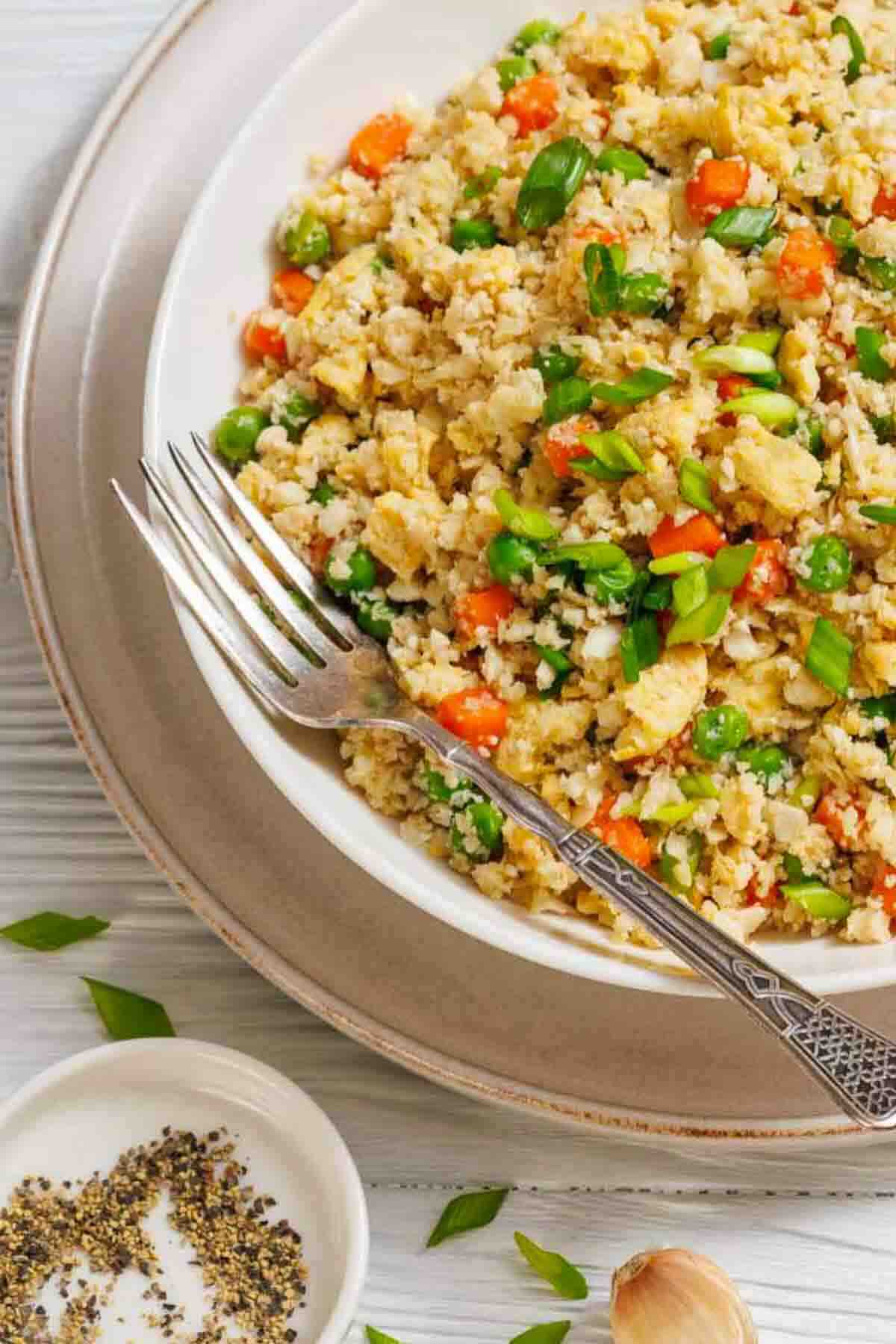
No More Guesswork, Just Perfect Rice
Cooking rice used to feel like a hit-or-miss situation for me, but once I nailed down the right techniques, it became second nature. Now, I don’t even think twice, I just rinse, measure, cook and let it rest. You might be making a simple side dish like garlic mashed cauliflower or the base for a hearty meal like pulled chicken tacos, but perfectly cooked rice makes all the difference. Trust me, once you get it right, you’ll wonder how you ever settled for anything less.
Pin and Come Back Anytime

Need Support or have Questions? Join us on Facebook.
Follow us on Pinterest, Instagram, TikTok, Flipboard, or YouTube.
For weekly New Recipes and a FREE E-Book get into our NEWSLETTER.
