All salt is the same until you taste the difference side by side. A simple switch, like using flake salt instead of table salt, can reveal unexpected texture, flavor and finish. Suddenly, I could taste the texture, the subtle mineral notes, the way it melted differently on my tongue. That’s when I started wondering why some salt is more expensive, and whether it’s really worth the price.
The Difference Between Common and Specialty Salts
I didn’t expect to care much about what kind of salt I used, until I realized how different they actually are. Each one brings something unique to the table, and once I understood how they worked, I stopped treating them like interchangeable ingredients.

Table Salt
Table salt is the most common and affordable option, and for good reason. It’s highly refined, stripped of natural minerals and processed to ensure uniform grain size. Most brands add iodine (to help prevent deficiency) and anti-caking agents (to keep it flowing smoothly). It dissolves quickly, works consistently in baking and is ideal for cooking garlic mashed cauli or fried chicken bites.
Sea Salt
Sea salt is made by evaporating seawater, and it’s often less processed than table salt. Because of this, it tends to retain trace minerals like calcium, magnesium or potassium, depending on the location. These minerals can lend a slightly different flavor or color to the crystals. It’s more coarse, so I usually crush it a bit before sprinkling. I like using sea salt when I want just a bit more texture or complexity than what table salt gives me.
Specialty Salts
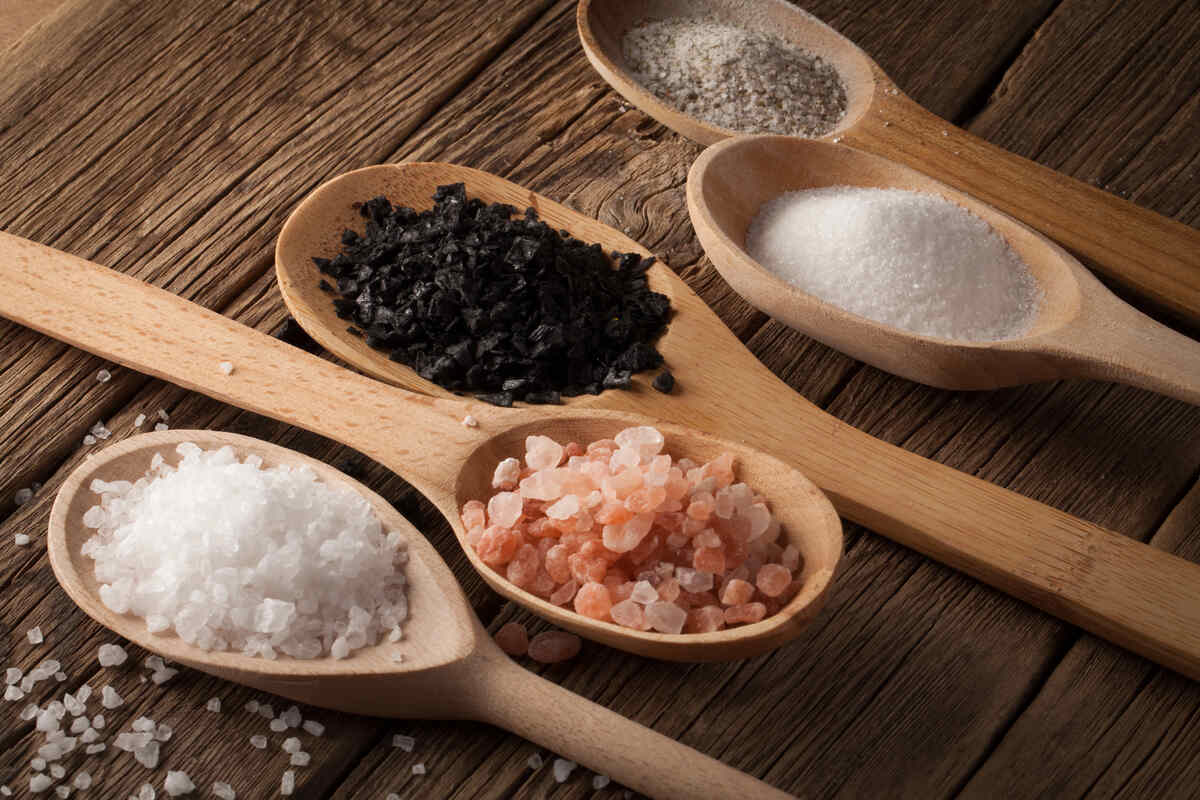
Specialty salts come from specific regions and are often harvested by hand, making them more labor-intensive and more expensive. Fleur de sel, for example, forms on the surface of salt ponds in coastal France and is collected with wooden rakes. It’s light, flaky and dissolves quickly, making it perfect for finishing. Himalayan pink salt, mined in Pakistan, gets its color from trace minerals like iron. Black lava salt, infused with activated charcoal, brings bold flavor and dramatic presentation.
These salts aren’t for everyday seasoning. I save them for moments when texture, flavor and visual appeal really matter. Think seared scallops, sliced radishes or even dark chocolate cookies. They’re finishing salts, and when used with care, they earn their place on the shelf.

When Expensive Salt Makes a Difference
I don’t use fancy salt for everything. If I’m boiling pasta water or salting water for potatoes, table salt or kosher salt works just fine. But when I want a finishing touch on roasted vegetables, fresh tomatoes or grilled meat, that’s where the more expensive stuff shines.
Flake salts like Maldon or pyramid salt add crunch and visual appeal. Mineral-rich salts, like pink or grey varieties, offer subtle earthy notes that elevate simple foods. It’s not that they’re dramatically more flavorful; they’re just more interesting, and sometimes that’s enough.
Is It Worth the Price?
Some meals call for a subtle, everyday salt that blends in quietly; others benefit from a touch of texture or mineral flavor that only a finishing salt can deliver. A $10 tin of finishing salt lasts a long time because I use it sparingly and intentionally. It’s not about replacing table salt; it’s about having the right salt for the right job.
If you’re curious, try a side-by-side taste. Sprinkle different salts on the same ingredient, like a slice of cucumber or a poached egg, and notice how texture and flavor shift. That’s how I learned which salts actually made a difference in my kitchen and which ones felt more like hype.

A Pinch of Perspective
Some ingredients ask for attention, and salt is one of them. Writing this all out reminded me how something as simple as salt can hold so much variety and nuance, depending on where it comes from and how you use it. I don’t splurge on every kind of salt, but I’ve learned when it makes sense to spend a little more and when it doesn’t matter. The difference isn’t just about taste, it’s about intention, and how small choices can shift the way I cook, season and enjoy food.
Pin and Come Back Anytime

