It’s long been believed that searing meat seals in the juices, and I used to follow that logic every time I cooked a steak. I’d crank the heat, toss it in the pan and picture the sizzle as a shield, trapping moisture inside. But as I started learning more about cooking science, I realized that idea doesn’t hold up, not when you look closely at whether searing meat really seals in juices, or just builds flavor. That question led me down a rabbit hole of cooking science, and what you’re about to find will change how you approach every piece of meat you cook.

Debunking the Searing Myth
Let’s clear this up: searing doesn’t seal in anything. That sizzling crust you get from a hot pan? It’s flavor, not a moisture barrier. What’s actually happening is the Maillard reaction, a browning process that makes meat taste rich and deeply savory. But it doesn’t form some magical meat armor. In fact, juices can, and do, escape while searing.

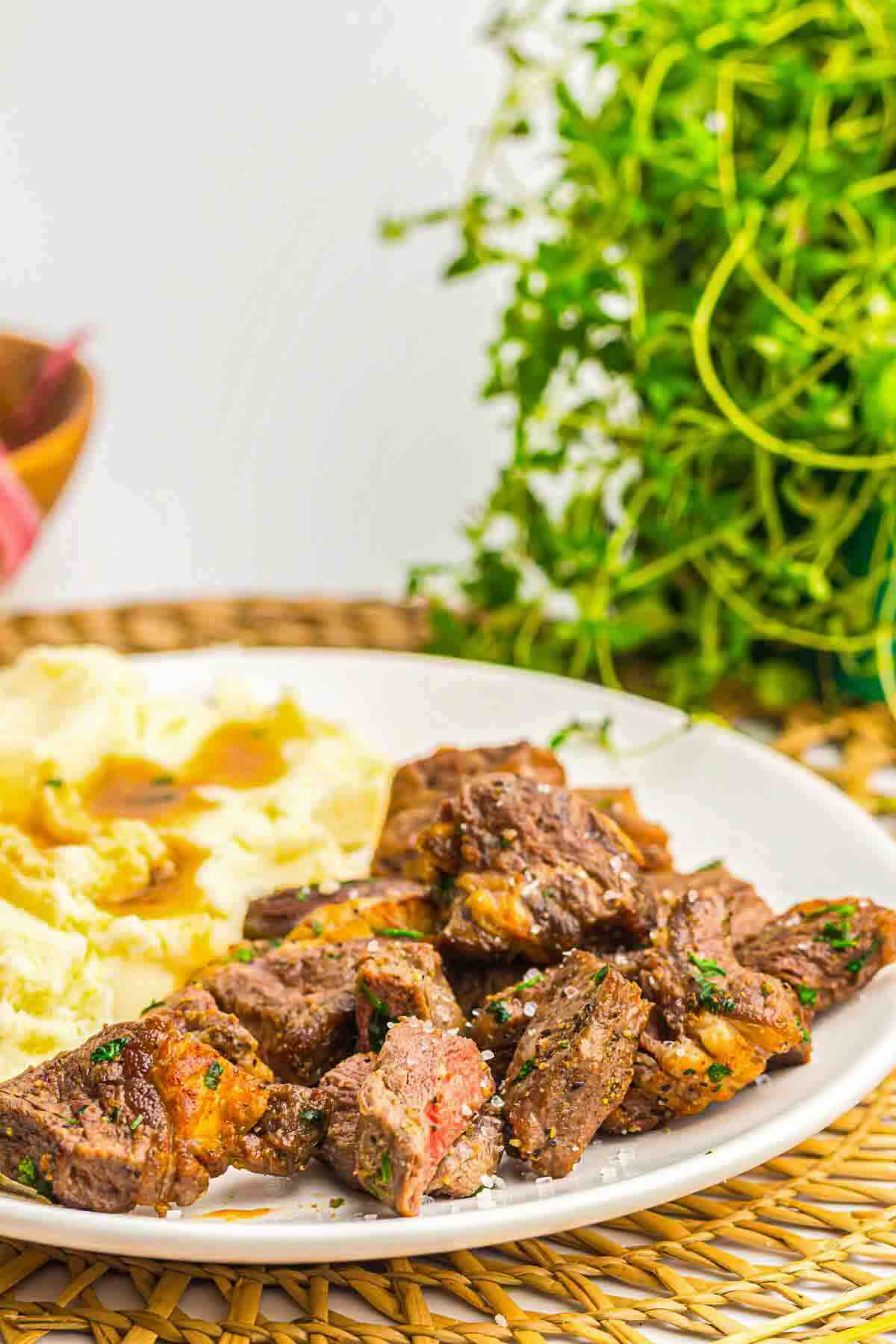
If you’ve ever rested a seared steak and cut into it, only to see juices pooling on the plate, you’ve witnessed this firsthand. That golden crust is delicious, yes, but it’s not sealing anything inside. Juiciness comes from how you handle the meat before and after cooking, temperature, rest time and seasoning, not from how aggressive your pan sizzle sounds.
What Really Keeps Meat Juicy
Once I realized searing wasn’t the secret, I started paying closer attention to the things that actually help. These small shifts significantly changed how my meat turned out, juicier, more consistent and way more enjoyable.
Let It Rest
This might be the simplest trick that makes the biggest difference. After cooking, meat needs time to chill, literally. Letting it rest for five to ten minutes gives the juices a chance to redistribute instead of spilling out the moment you cut in. I think of it like giving the meat a breather before showtime. Skip the rest, and you’ll end up with dry slices and a soaked cutting board.
Monitor the Temperature
Cooking meat to the right temperature is everything. Too hot, and you lose moisture; too low, and it’s not safe or satisfying. I use a meat thermometer like a kitchen GPS; it keeps me from guessing and helps me land right in that juicy sweet spot. Especially with lean cuts like chicken breast or pork tenderloin, a five-degree difference can be the line between tender and tough.

Use Salt Intentionally
Salt isn’t just for taste; it plays a role in texture, too. When I dry-brine with salt and give it time to sit, it helps the meat retain moisture during cooking. Yes, it draws some moisture out at first, but it also helps that moisture work its way back in. A well-seasoned piece of meat ends up juicier, more flavorful and way more satisfying.

From Myth to Meat Mastery
So, does searing meat really seal in juices? No, but that doesn’t mean it isn’t worth your time. What it does do is build flavor, add texture and give your dish that beautiful, craveable crust. Now that you know what actually keeps the meat juicy, like resting, temperature control and seasoning, treat searing as a finishing touch, not a moisture strategy. Letting go of that old myth helped me cook with more confidence, and hopefully gives you the clarity to approach your next sear with less guesswork and better results.
Pin and Come Back Anytime
Need Support or have Questions? Join us on Facebook.
Follow us on Pinterest, Instagram, TikTok, Flipboard, or YouTube.
For weekly New Recipes and a FREE E-Book get into our NEWSLETTER.
