Have you ever wondered why your steak isn’t as juicy as you hoped it would be? The answer might be simpler than you think. It’s all too tempting to carve into that sizzling steak right off the grill. I used to do exactly that. But if you value flavor and tenderness, the smartest move is to pause. Learning why you should let meat rest before slicing, and how it affects the end result, changed the way I cook.
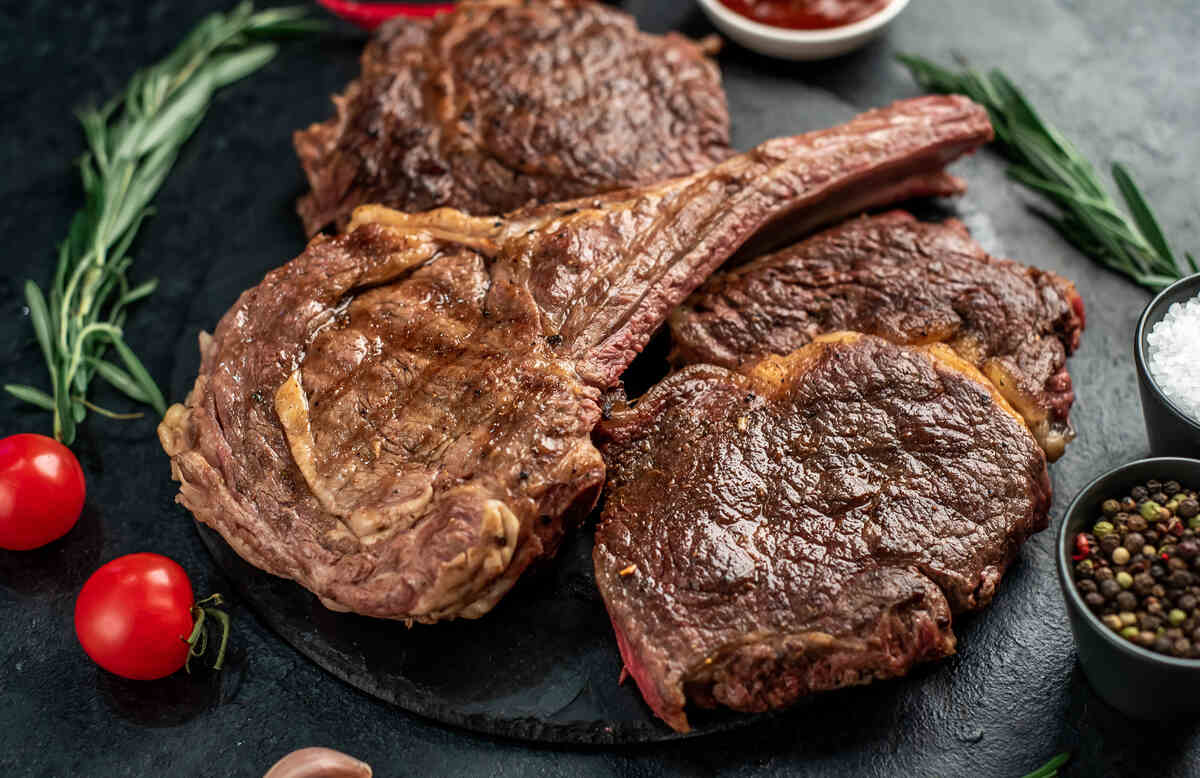
Key Reasons to Let Meat Rest
Think of resting meat like giving it a minute to pull itself together after all that heat. It might not seem like much, but it’s the kind of step that takes your steak from good to “wait, what did you do differently?”

Juice Redistribution
When I cut into meat too early, I watch the juices run straight onto the cutting board. That’s flavor I’ve lost forever. When meat cooks, heat drives the juices toward the center. Resting gives the muscle fibers time to relax and pull the juices back in, and this simple pause helps lock moisture into every bite.
Improved Tenderness
The first time I rested a steak, I couldn’t believe how tender it turned out. No dry edges, no chewy bites, just juicy, even texture from end to end. That tenderness comes from the meat’s internal temperature stabilizing as it rests, which reduces moisture loss. When the temperature evens out, the proteins relax instead of seizing up. The result is consistently tender meat throughout.
Easier Carving
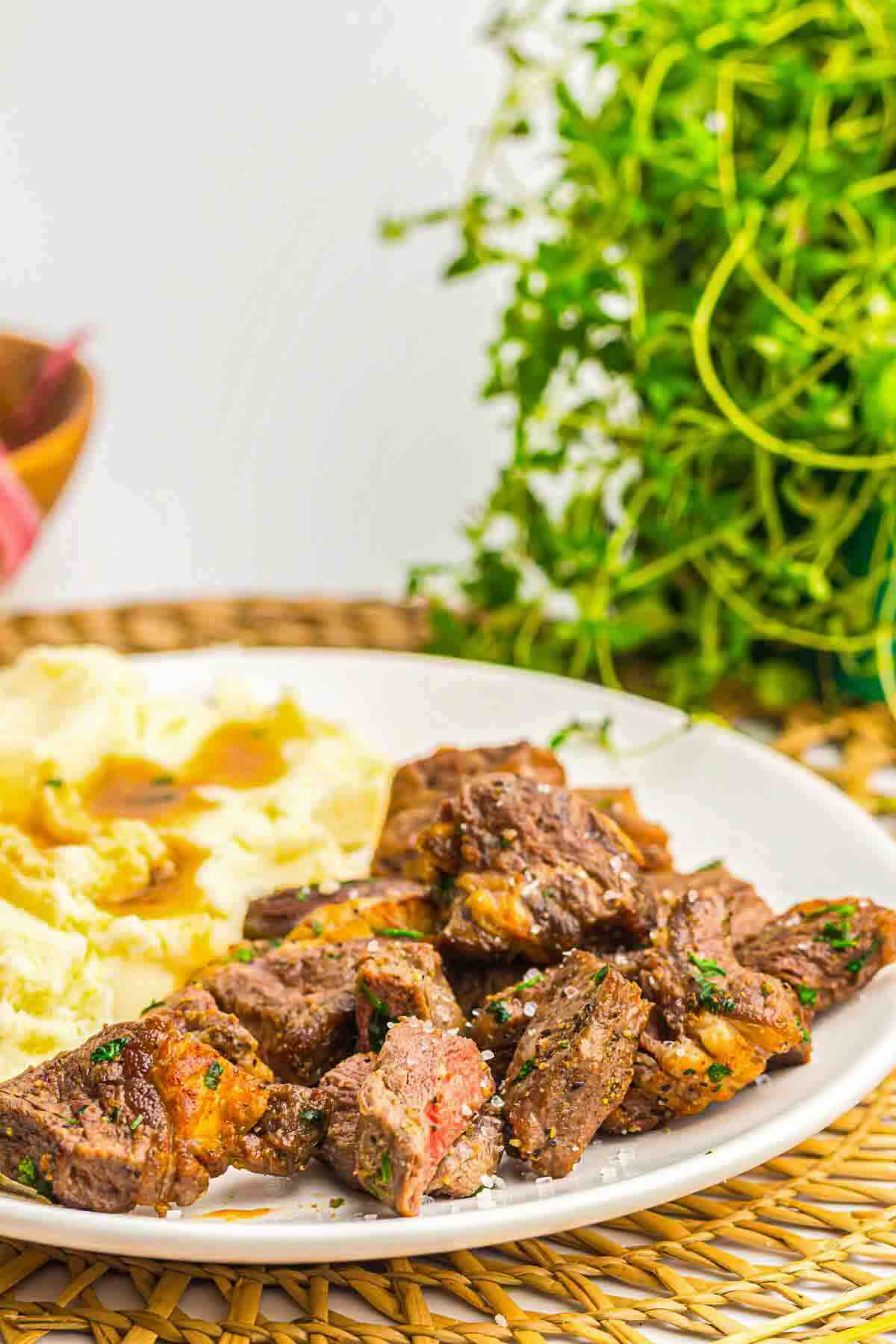
Trying to carve hot meat always gave me ragged, uneven slices, but once I started letting it rest, carving became clean and effortless. As the meat cools slightly and firms up, it’s much easier to control the knife. That firmness holds the shape of each slice and prevents tearing; you get cleaner cuts and more attractive plating.
Resting Times for Common Meats
Meat isn’t a one-size-fits-all situation; what works for a steak won’t cut it for a roast or a whole chicken. Each cut has its own sweet spot when it comes to resting time. Stick to it, and you’ll notice a real upgrade in flavor and texture.
Steaks
I usually set a timer for 5 to 10 minutes and walk away. That short pause does more than you’d think; it locks in the flavor. For thinner cuts, lean toward the 5-minute mark, while thicker steaks like ribeye get closer to 10. Place them on a plate and loosely tent with foil to keep the heat in. By the time you slice, the juices have settled and the steak stays tender, a perfect recipe to pair with baked goods.

Large Roasts (beef, pork)
With roasts, I used to wonder why the first few slices were dry. Then, I started giving them 10 to 20 minutes of rest from the cast iron, and the difference in moisture and texture became obvious. For a medium-sized roast, go with 15 minutes; larger ones get a full 20. Resting allows the dense interior to finish cooking gently and redistribute juices evenly, making carving easier, too.
Whole Chicken or Turkey
Resting a bird feels like a long wait, but it’s worth it. I give it 15 to 30 minutes, and every bite stays juicy. I rest it breast-side down to let juices soak into the leaner white meat. Larger birds like turkey need the full 30 minutes, while smaller chickens do well with 15 to 20. This resting time also makes carving cleaner and the skin crisper.

Scientific Insight
When you cook meat, you’re basically putting it through a workout; the heat makes the muscle fibers tense up and push all those flavorful juices to the center. If you slice into it right away, all that goodness spills out. But give it a few minutes to chill, and those juices have time to flow back through the meat, giving you a juicy bite every time.
Here’s what works for me: I loosely cover the meat with foil while it rests. It keeps things warm without steaming the outside into mush. That way, the crust stays crisp and the inside stays tender, no soggy surprises.
Give Your Meat a Break
I used to go straight from grill to plate like it was a race. I’d be so excited to slice in that I didn’t realize I was shortchanging the whole experience. Once I started giving the meat a few minutes to rest, though, everything shifted. The flavor deepened, the texture evened out, and honestly, cutting into it became way more satisfying. It’s such a small change, but the payoff? Totally worth it.
Pin and Come Back Anytime

Need Support or have Questions? Join us on Facebook.
Follow us on Pinterest, Instagram, TikTok, Flipboard, or YouTube.
For weekly New Recipes and a FREE E-Book get into our NEWSLETTER.
