Droopy lettuce, limp herbs, rubbery carrots, I thought once they’d gone soft, they were done for. Then I came across a tip about the ice water trick that instantly revives wilted vegetables. It sounded too simple to be true, but I figured, why not? I gave it a try with some tired lettuce, and within minutes, the leaves looked crisp again. Since then, it’s become one of those easy kitchen habits I do that quietly save the day.
How the Ice Water Trick Works
The ice water trick revives wilted vegetables by restoring their lost moisture. When veggies lose water, their cells start to collapse, which makes them look sad and feel floppy. Cold water causes the plant cells to reabsorb water through osmosis, helping them plump back up. Ice water makes this process even more effective by tightening the cell walls, which adds that crisp snap back into every bite.

What Vegetables It Works Best For
Some vegetables bounce back better than others when soaked in ice water. These are the ones I’ve had the most luck reviving, each with its own little revival timeline and quirks.
Lettuce
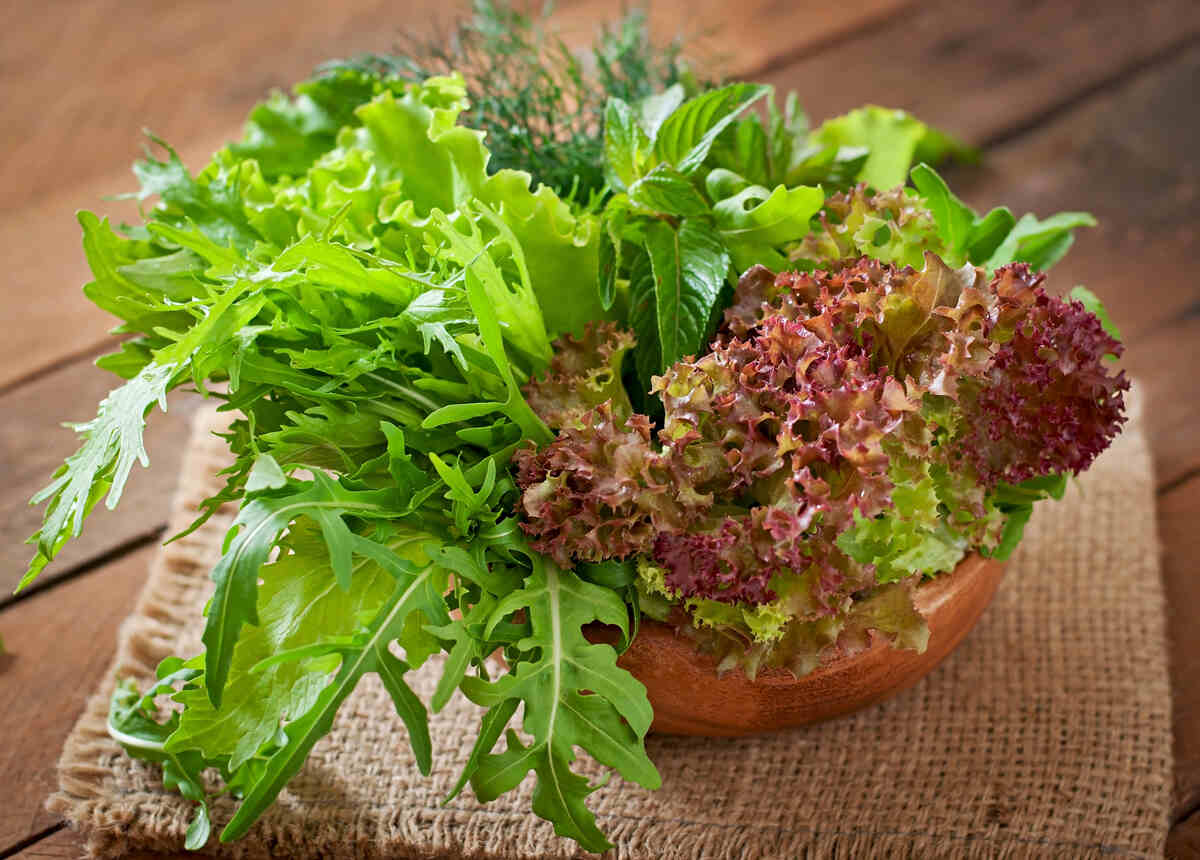
I’ve had the most success using this trick on lettuce. Romaine perks up in under ten minutes. Butter lettuce and green leaf lettuce also respond well, especially when the leaves are only slightly wilted. Just submerge them in ice water and let them rest until they spring back to life.
Carrots
Carrots go from bendy to crunchy in a glass of cold water. Baby carrots and full-sized ones both work. I leave them in for at least 30 minutes, especially if they’ve been sitting in the fridge a few days too long.
Herbs
Herbs like parsley and cilantro bounce back enough to use as garnish or mix into a dish. Basil, on the other hand, is a bit more delicate but still benefits from a short soak. I usually soak herbs for 15–30 minutes depending on how wilted they are, then dry them gently with a towel.

Celery
Celery is another one that loves an ice bath. The stalks regain their crunch after just 20 to 30 minutes. I trim the ends first for better water absorption.
Radishes
Radishes tend to soften in the fridge, but ice water brings back that satisfying snap. I slice off the tops and bottoms before soaking to help them rehydrate faster.
Green Onions
Green onions that have lost their firmness perk right up in a tall glass of cold water. Sometimes, I even leave the roots on and let them soak upright like a bouquet.
When to Skip the Soak
This trick works wonders for limp produce, but it’s not a cure-all. Some veggies just can’t be rescued, and knowing when to skip the soak can save you time and effort.
Smells Off or Feels Slimy
If your veggies have a funky smell or feel slimy to the touch, they’re past the point of reviving. That sliminess usually signals bacterial growth, which means the produce has started to break down on a cellular level. No amount of soaking can fix that; it’s safest to toss anything with a strange texture or smell before it affects the rest of your food.
Visible Rot or Mold
Any signs of rot or mold mean it’s time to let it go. Mold isn’t just surface-level; it can spread below what you see, especially in porous veggies like herbs or leafy greens. Even a small fuzzy patch can mean the rest is compromised. When in doubt, don’t take chances with moldy produce.
Texture Is Completely Gone
Sometimes, a vegetable just doesn’t bounce back. If it stays limp even after a soak, it may have lost too much structure to recover. This can happen if the veggie has been exposed to too much heat, age or dehydration. At that point, it’s better to compost it than try to force it into a dish where texture matters.
A Little Cold Can Go a Long Way
I never thought ice water would become one of my favorite kitchen tools, but here we are. Whenever my vegetables start to wilt, I don’t panic or toss them; I just grab a bowl and fill it with cold water. Watching them come back to life is like a small, quiet win. It’s one of those little kitchen rituals that makes me feel more in control and a little more connected to what I cook.
Pin and Come Back Anytime
Need Support or have Questions? Join us on Facebook.
Follow us on Pinterest, Instagram, TikTok, Flipboard, or YouTube.
For weekly New Recipes and a FREE E-Book get into our NEWSLETTER.
