Fresh vs. frozen, it’s one of those choices I used to second-guess all the time. Does frozen broccoli really hold up in a stir-fry? Is fresh always better for fruit? I’ve learned that the answer isn’t black and white. There’s no single rule that works every time, and honestly, the “better” choice depends on what I’m making and how I want it to turn out. That little mix of factors shapes when I go fresh and when I lean into frozen.
What the Nutrition Labels Don’t Always Tell You
I used to assume, like a lot of us probably do, that fresh always meant more nutrients. But that’s not always the case. Frozen fruits and vegetables are usually picked at peak ripeness and flash-frozen within hours. That helps lock in nutrients, sometimes even better than fresh produce that sits in a truck or on a shelf for days. For example, frozen spinach can actually contain more vitamin C than fresh, depending on how long it’s been sitting around.

That said, texture does take a hit with freezing. Water-rich foods like cucumbers or lettuce turn mushy fast. But for things like peas, green beans or mango chunks, frozen holds up well and cooks beautifully.
How Texture Plays Into Taste
Texture affects flavor more than I realized. Fresh asparagus or snap peas stay crisp when lightly cooked, perfect for salads or roasting. But I save frozen versions for soups, pastas or blended dishes where a little softness isn’t a deal-breaker.
When I’m cooking something that relies on crunch or delicate structure, I stick to fresh. Think salads, slaws or raw veggie plates. But if it’s going into a stew, smoothie or casserole, frozen often does the job just fine.
When I Choose Fresh
Fresh ingredients still get a prime spot in my kitchen, especially when I’m craving crisp texture or that just-picked flavor. Here’s when I make a point to go fresh.
For Raw or Crisp Dishes
There are a few foods I always try to buy fresh. Leafy greens, herbs, tomatoes, and soft fruits like peaches or plums just don’t freeze well. Their textures fall apart, and the flavor loses that just-picked brightness. I use fresh ingredients when I want something raw, light or crisp.

For Quick Cooking and Texture
I also reach for fresh when I’m doing quick sautés, grilling or dishes that don’t mask texture. Fresh mushrooms, for instance, roast beautifully; frozen ones tend to get rubbery. Bell peppers, zucchini and eggplant also do better fresh when I want that slight char or crispness. Frozen versions of those can work in cooked sauces, but they won’t hold their shape the same way.
When I Reach for Frozen
Frozen staples save me on busy days. I lean on them for meals that need to come together quickly without sacrificing too much flavor. Air-fried whole chicken wings are for those days when a frozen meal is the best option for me.

For Speed and Less Waste
Frozen foods save me time and reduce waste. I use frozen corn, berries, spinach and even cubed butternut squash regularly. They’re prepped, ready to go, and still packed with solid flavor.
For Smoothies and Blended Dishes
For smoothies, frozen fruit is a must. It gives me that thick, chilled texture without watering things down. I also rely on frozen vegetables for stir-fries, pasta sauces and soups, especially during the off-season when fresh produce doesn’t taste like much.
What Freezes Well: and What Doesn’t
Some foods bounce back beautifully from the freezer, and others… not so much. Over time, I’ve learned which ones I can count on and which I skip.
Freezer-Friendly Favorites
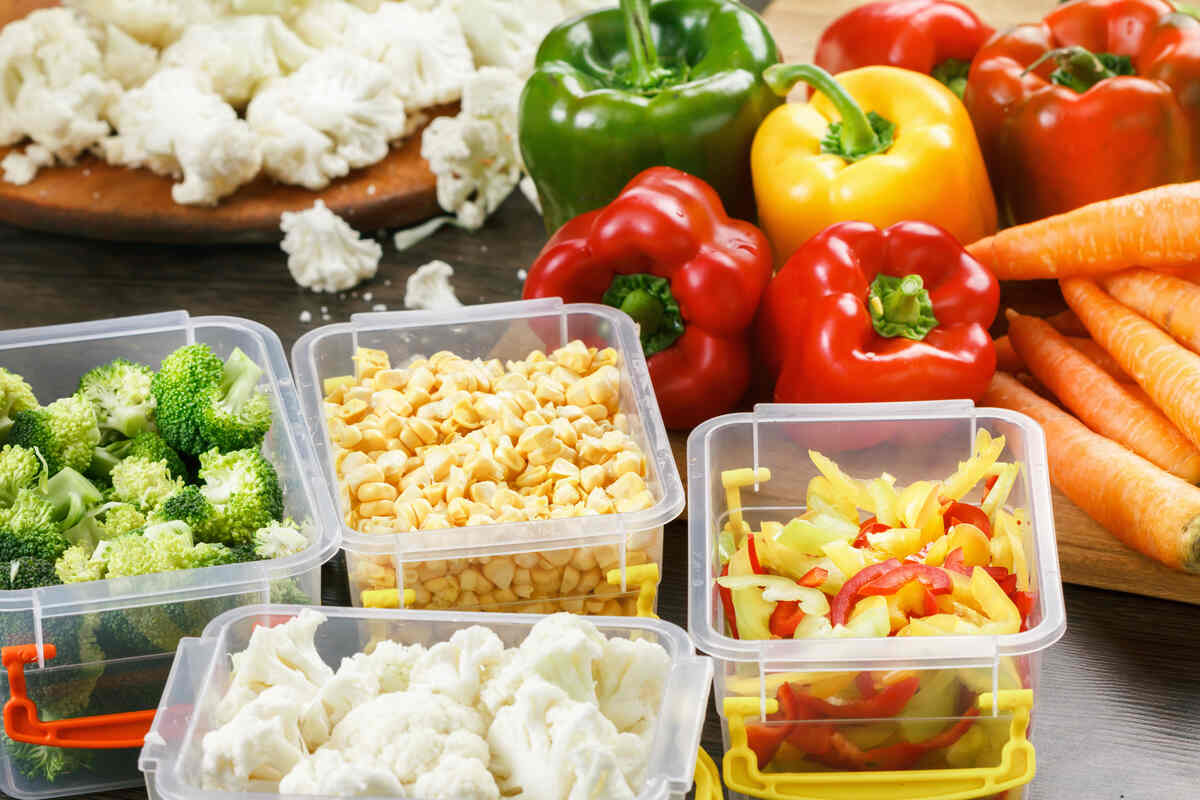
Some foods take to freezing like a dream. Berries, bananas, broccoli for when you want to make broccoli and bacon casserole, cauliflower for garlic mash cauliflower and fried rice from cauliflower, avocados, onions, cooked beans and stock hold up great. I freeze leftover rice and cooked grains in small portions to make weeknight dinners faster. Chopped onions, bell peppers and herbs (especially if frozen in oil or water) also freeze well and save me prep time later. Even bread can be frozen and toasted straight from the freezer without much loss in quality.
What to Skip in the Freezer
Lettuce, cucumbers, raw potatoes and most dairy-heavy sauces tend to separate or go soggy. Freezing high-moisture foods like watermelon or citrus segments usually ends with a pulpy mess. I’ve also had bad luck freezing soft cheeses, sour cream and anything mayo-based; those textures never quite bounce back. If you’re freezing something delicate, always ask yourself if you’ll be okay with it coming back a little softer or separated.
Finding the Right Balance
Fresh vs. frozen doesn’t have to be an either-or thing. Now, you can shop with both in mind, grabbing fresh for texture and raw dishes, and frozen for convenience and consistency. Knowing when to use them will surely help you cook smarter, cut waste and enjoy better flavor without overthinking it.
Pin and Come Back Anytime
Need Support or have Questions? Join us on Facebook.
Follow us on Pinterest, Instagram, TikTok, Flipboard, or YouTube.
For weekly New Recipes and a FREE E-Book get into our NEWSLETTER.
