I used to toss spices straight into my dishes, thinking they were already packed with flavor. Then I tried toasting them, and the flavors became fuller, the aromas stronger and the whole dish felt more alive. It was like discovering a missing piece in my recipes. That’s when I realized why you should always toast your spices before cooking.

The first time I toasted cardamom pods in a dry skillet, their sweet, citrusy scent bloomed into the air and wrapped around the kitchen, That moment opened my eyes to what heat could unlock in a spice, a simple step that brought out a more profound and richer flavor that took my cooking to a new level.

How Toasting Enhances Flavor
I’ve found that heat draws out deeper notes in spices, turning even the most familiar dishes into something more dynamic and full-bodied. Understanding how this process works makes it easy to see why so many cuisines rely on it.
Releases Essential Oils
When spices hit a hot surface, their natural oils start to release. These volatile oils carry the flavors and aromas we associate with each spice. Whole spices benefit the most; they hold onto those oils until heat sets them free.
Deepens Complexity
Toasting slightly caramelizes the sugars in spices, building richness and depth. I especially notice this with cumin and fennel as they take on a toasty, nutty note that’s impossible to get any other way. Smoky, earthy undertones come alive, even in simple dishes.

Removes Raw Bitterness
Some spices taste harsh right out of the jar. Mustard seeds and fenugreek, for example, can be overly bitter when raw. Toasting tames that edge. It mellows sharp flavors and makes everything feel more balanced. Once you try it, you’ll notice the difference in your sauces and stews.
Improves Blendability
Toasted spices are easier to grind. Removing moisture makes them lighter and more powdery, which means they blend more evenly into spice mixes, marinades and sauces. And the aroma? Way more pronounced. That boost in scent helps flavors come together more smoothly in the final dish. Try making your own onion powder to test out.
Best Methods for Toasting Spices
Not all spices react the same way to heat, which is why the method you use to toast them can dramatically shape the final flavor. Here’s how I decide which one to use.
Dry Pan Toasting
This is my go-to for whole spices like cumin seeds, coriander and mustard seeds. I heat a dry skillet over medium, add the spices and keep them moving. Within a minute, they darken slightly and release their aroma; that’s how I know they’re ready.
Oil Toasting
When I’m making a curry or stir-fry, I toast spices directly in oil. This helps fat-soluble compounds release into the dish, creating a stronger flavor base. I warm the oil, add the spices and stir gently until there’s a difference in smell.
Oven Toasting
For larger batches or spice blends, the oven works well. I spread everything in a single layer on a baking sheet and toast at 300°F (150°C) for a few minutes. I stir once or twice so nothing burns, and the result is a uniform, aromatic mix.
When to Toast Spices
I used to wonder if I should always toast spices, but timing is key. I choose the moment based on how I want the flavors to show up.
Before Grinding
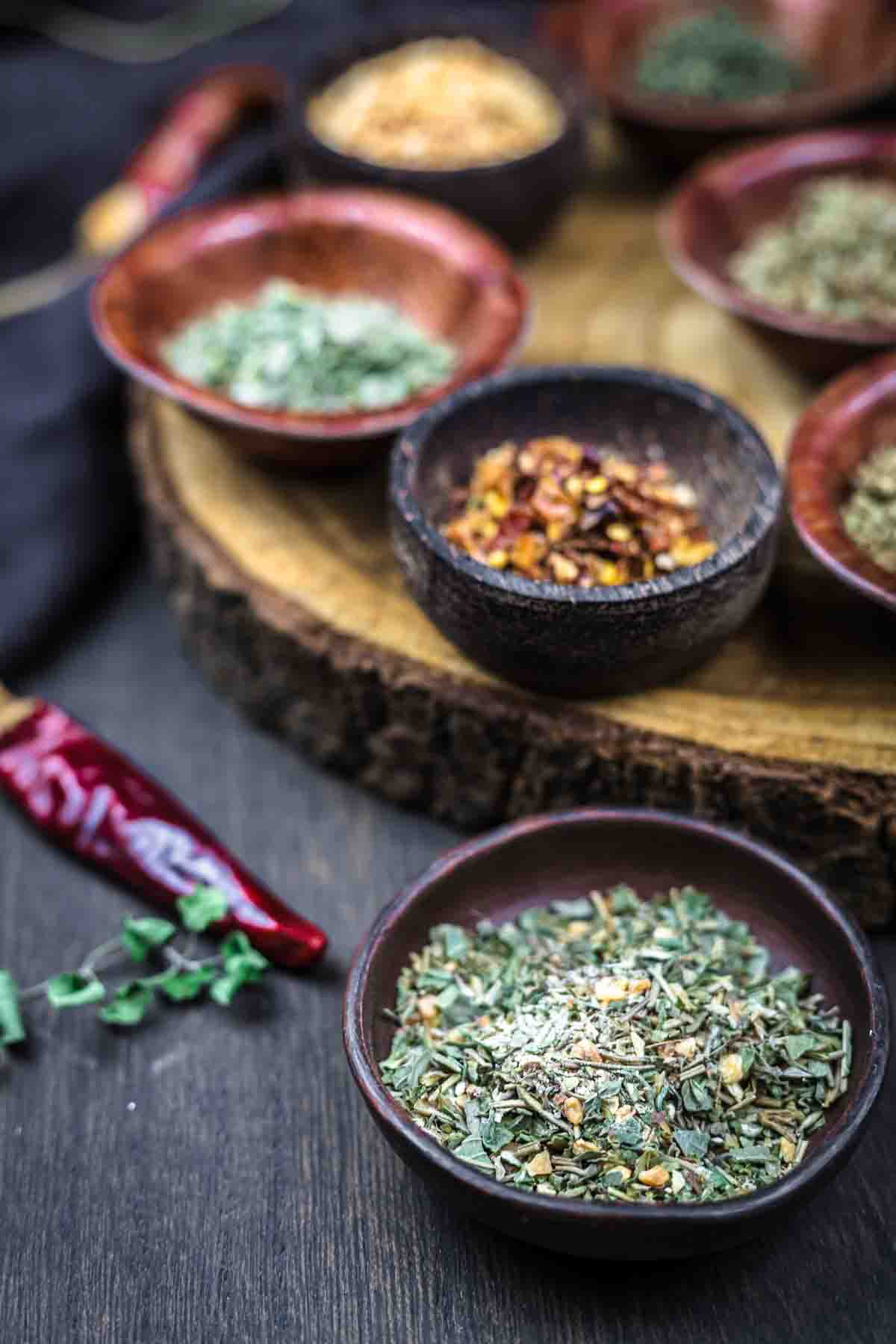
Toasting first, then grinding, locks in the oils and intensifies the final product. It’s especially helpful with whole spices. I’ve found that freshly ground, toasted spices are far more aromatic than store-bought blends.
Before Cooking
I often toast spices right at the beginning of a recipe. This infuses oils and liquids with their full flavor. Dishes from Indian or Middle Eastern cuisines often start this way, and now I see why; it builds a more complex foundation.
In Spice Blends
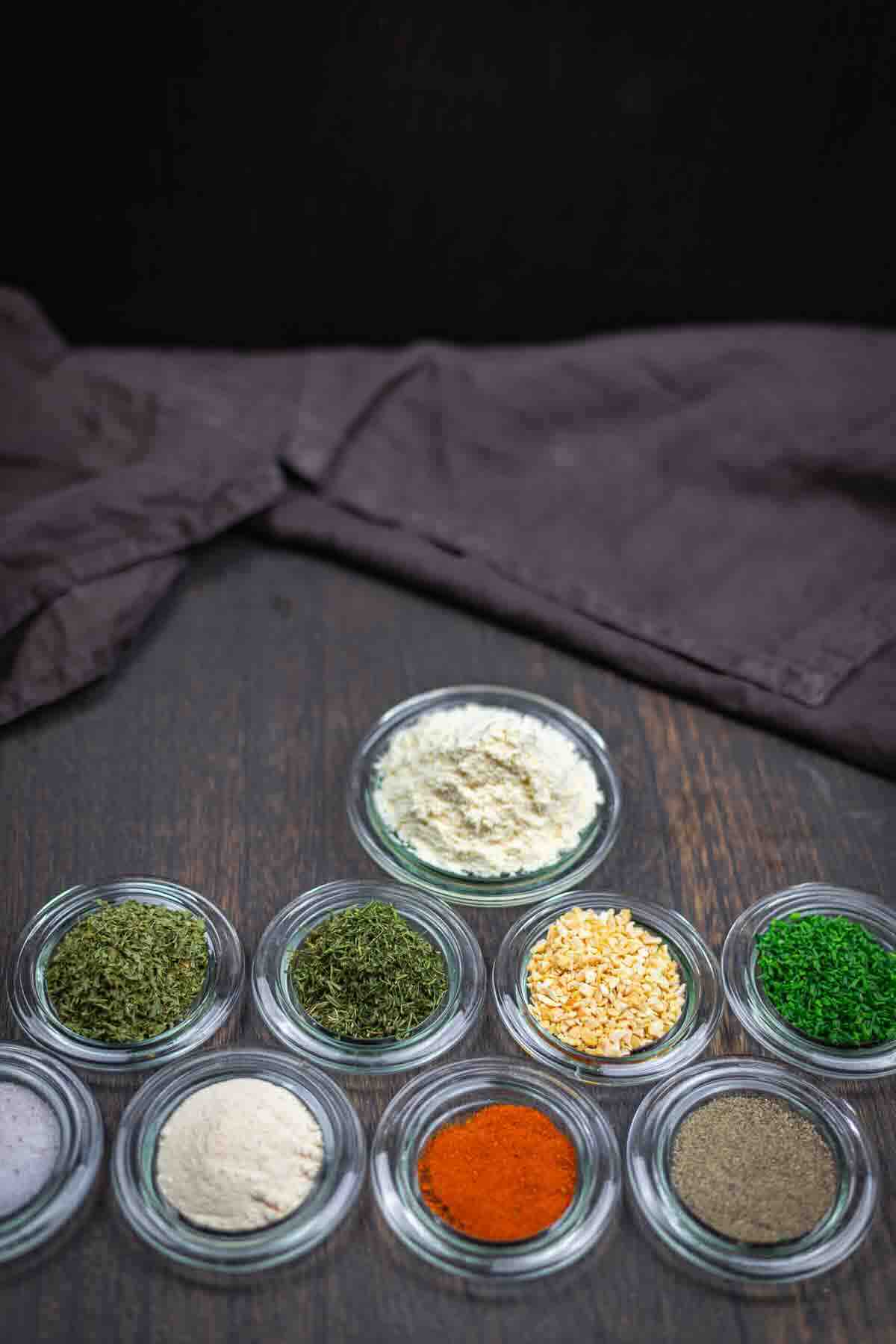
When I mix up my own blends, like garam masala or ranch seasoning mix, I toast the spices first. It helps preserve them by removing moisture and balances bold flavors, so they meld more evenly.
The Secret to Bolder, Better Cooking
Toasting spices has changed the way I cook, adding depth and richness to every dish. It takes just a minute but makes a world of difference in aroma and flavor. Now, I can’t imagine skipping this step, knowing how much it enhances even the simplest meals. Once you start toasting your spices, you’ll never go back to using them raw.
Pin and Come Back Anytime
Need Support or have Questions? Join us on Facebook.
Follow us on Pinterest, Instagram, TikTok, Flipboard, or YouTube.
For weekly New Recipes and a FREE E-Book get into our NEWSLETTER.
