I’ve always wondered why some people can’t taste spicy food, or why others barely flinch. One bite of chili and some folks are sweating, gulping water and reaching for bread, while others casually reach for more. I used to think it was just about preference or what you were used to eating, but it turns out there’s a whole science behind it.
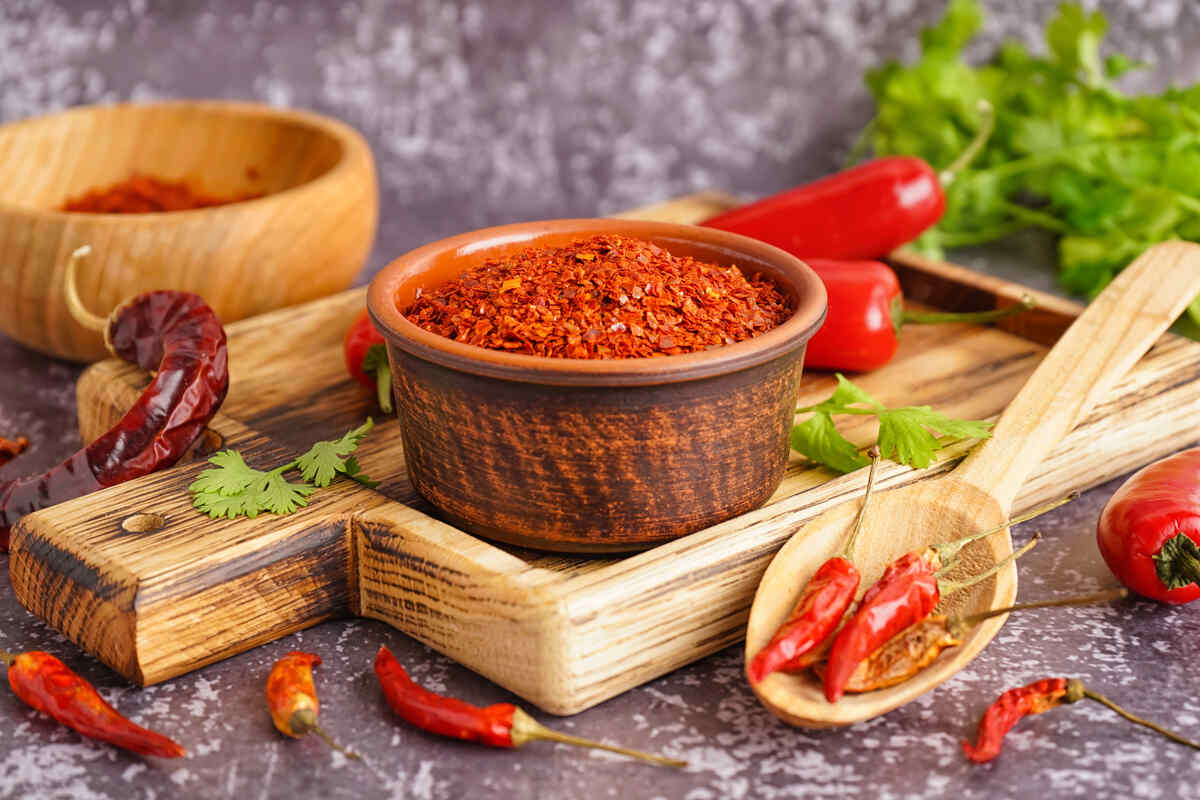
Eating spicy food all comes down to how your body is built, your genes, your spice-detecting receptors and the way your system processes heat from the inside out. Once you break that down, it starts to make a lot more sense why spice hits everyone so differently.

The Science Behind That Burn
Some people can eat a whole bowl of spicy noodles and barely blink, while others break into a sweat halfway through the first bite. It’s not just about being tough or dramatic; there’s a lot going on under the surface. In a BBC study, Dr. Qian Yang, assistant professor in flavour science at the University of Nottingham, explains that “Capsaicin is primarily responsible for the spicy sensation.”
When we eat something spicy, capsaicin binds to pain receptors on the tongue, specifically the TRPV1 receptor, and triggers that signature heat. It tricks your brain into thinking you’re experiencing actual physical warmth or even pain.
But here’s the kicker: not everyone has the same number of these receptors, and they don’t all respond the same way. One person might flinch at mild salsa, while someone else piles on the hot sauce without breaking a sweat. According to Dr. Yang, our tolerance for spicy food is shaped by both nature and nurture. Genetics influence how many TRPV1 receptors we have; fewer receptors may mean you experience less burn.
But environment plays a role, too. In places where chili peppers grow abundantly, like India or Thailand, people are often introduced to spice at a younger age and build tolerance over time.
The Role of Taste Buds
This one might surprise you: your ability to handle spicy food isn’t just about your heat receptors; your taste buds play a part, too. Everyone has a different number of them, and some people have a lot more than others. These folks are called “supertasters,” and while that name sounds like a superpower, it often makes eating spicy food feel more like a challenge than a thrill.
Supertasters experience flavors more intensely, especially bitter and spicy ones. So when they eat something with heat, that burn can feel way more dramatic. For them, even a touch of chili might feel overwhelming. On the flip side, people with fewer taste buds simply don’t get the same level of intensity, which can make even bold spices feel kind of mellow.
Can You Build Tolerance?
Yes, and a lot of people do it without even realizing it. Just because you’re born with a lower tolerance or fewer capsaicin receptors doesn’t mean you’re stuck with it forever. According to Kean Health, it’s not a myth; you really can increase your spice tolerance with frequent exposure.
Here’s how it works: when you eat spicy food, capsaicin binds to your TRPV1 receptors, tiny heat-sensing proteins on your nerve endings. This opens the gates for sodium and calcium ions, which send a pain signal up to your brain, saying, “Hey, this is hot!”
But if you keep exposing your body to capsaicin, something interesting happens. Those calcium ions start to block the signal instead of letting it through. Your nerve endings become less reactive. The fiery heat you used to feel? It fades into something more like a warm buzz, still present, but much less dramatic.
Getting started doesn’t require anything drastic, a few flakes of red pepper on pizza, a little hot sauce mixed into ketchup, maybe a pinch of chili powder or any spices in tofu noodle soup. Little by little, your system starts adapting. And before you know it, the heat that once had you sweating might just feel… kind of nice.

Ways to Build Spice Tolerance Over Time
Spice tolerance isn’t all or nothing; it’s more like a sliding scale, and you can definitely shift your place on it. If you’re someone who breaks into a sweat at the faintest hint of heat, these tips can help you start slow and work your way up, one flavorful step at a time. Here’s how to train your taste buds, without burning them out, based on the data from Serious Eats.
Start Small
Think of this like easing into a hot bath, no need to dive in headfirst. Try adding a gentle kick to dishes you already know and love. Black pepper on mac and cheese, red pepper flakes in soup or ketchup with just a drop or two of Tabasco are great entry points.
Savor the Flavor
Spice isn’t just heat, it’s aroma, depth and complexity. Add one spice at a time and figure out what you genuinely like before throwing everything into the pot. A little restraint lets you appreciate the layers without getting lost in the fire.
Increase the Spice… Slowly
Once you’re comfortable, step things up gradually. Swap in mild chiles like poblanos, then work your way to jalapeños and serranos. Like building muscle, spice tolerance grows with repeated, slightly uncomfortable effort. A little mouth burn now and then helps push your limits, just don’t go overboard all at once.

Keep It on the Side
If you’re cooking for a group, or even just experimenting on your own,keeping the spice separate can be a game changer. Offer salsas or sauces on the side so people can control their heat level. It’s also a low-risk way to try bolder flavors without overcommitting.
Have Coolants on Hand
Even seasoned spice lovers need a backup plan. Keep a glass of milk, a spoonful of yogurt or some sour cream nearby. Let those coolants do their thing.
Don’t Force It
Spice should be exciting, not painful. If you keep having unpleasant reactions, it might just not be your thing. Everyone’s tolerance is different, and that’s totally okay. There’s no shame in enjoying milder dishes if that’s what feels right for you.
Embracing the Heat: or Not
Spice tolerance isn’t about being brave or broken; it’s just biology doing its thing. Some people are wired to feel the burn more than others, and that’s okay. The good news? Taste buds can learn, receptors can adapt and heat doesn’t have to be feared, just respected, at a pace that works for you.
Pin and Come Back Anytime
Need Support or have Questions? Join us on Facebook.
Follow us on Pinterest, Instagram, TikTok, Flipboard, or YouTube.
For weekly New Recipes and a FREE E-Book get into our NEWSLETTER.
