When I started paying closer attention to how flavors build over time, my cooking started to taste fuller, more balanced and noticeably more complex. I stopped rushing through recipes and began thinking about how each step could deepen taste. That shift is what taught me how to make any dish more flavorful with layering techniques.
Learning how to make any dish more flavorful with layering techniques taught me to be more deliberate in the kitchen, focusing on each step, each ingredient and the way they build on one another. It’s a mindset that’s helped me cook with more clarity and better results, and now I’ll share exactly how I use layering techniques in my own cooking, step by step, and with examples you can try right away.

What Flavor Layering Really Means
Layering flavors means building taste in stages, not all at once. It’s how a simple tofu noodle soup gains complexity or why an orange sauce tastes like it simmered for hours, even if it didn’t. Each step, adding aromatics, coaxing depth through browning or lifting browned bits through deglazing, adds dimension. By seasoning thoughtfully, browning ingredients and deglazing at the right moment, I draw more out of every ingredient and give the dish time to develop its character.
Seasoning as You Go
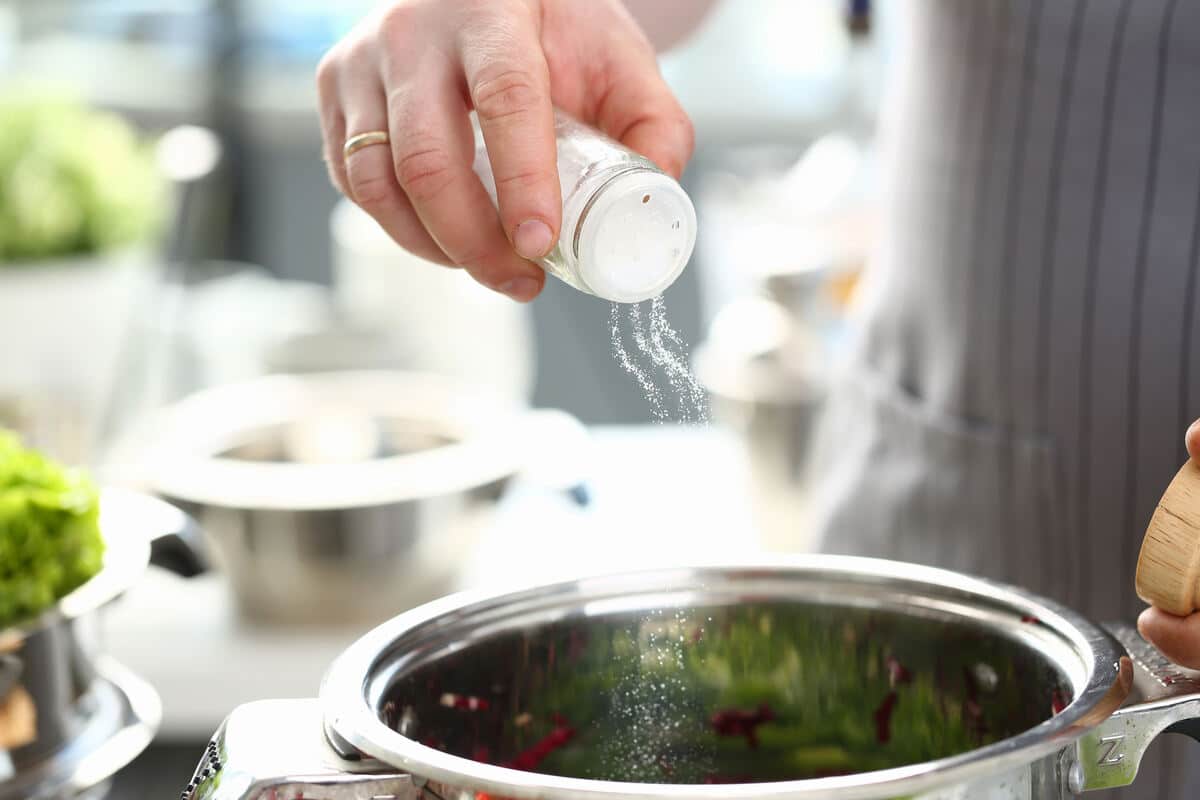
Seasoning in layers helps every ingredient shine. I taste constantly and adjust as I go, which gives me more control and a more balanced result.
Early Salting for Aromatics
I used to add salt at the end of cooking, thinking it made little difference. Now I know that salting early is key. When I sweat onions, celery or carrots in oil or butter, a pinch of salt helps them release moisture and soften more evenly. That simple act draws out their natural sweetness and gives me a better base to build on.
Adjusting Along the Way
A bit more during browning brings out savory depth and helps season each layer on its own. I taste after every major addition, liquids, vegetables, and proteins, to see where the flavors stand. If something feels flat, it usually means the seasoning needs a small nudge. Adjusting gradually helps me avoid over-seasoning at the end.
Browning Builds Depth
Browning is one of my favorite steps. A good sear in your cast iron creates flavor that no amount of seasoning can replace.
Searing Meats and Vegetables
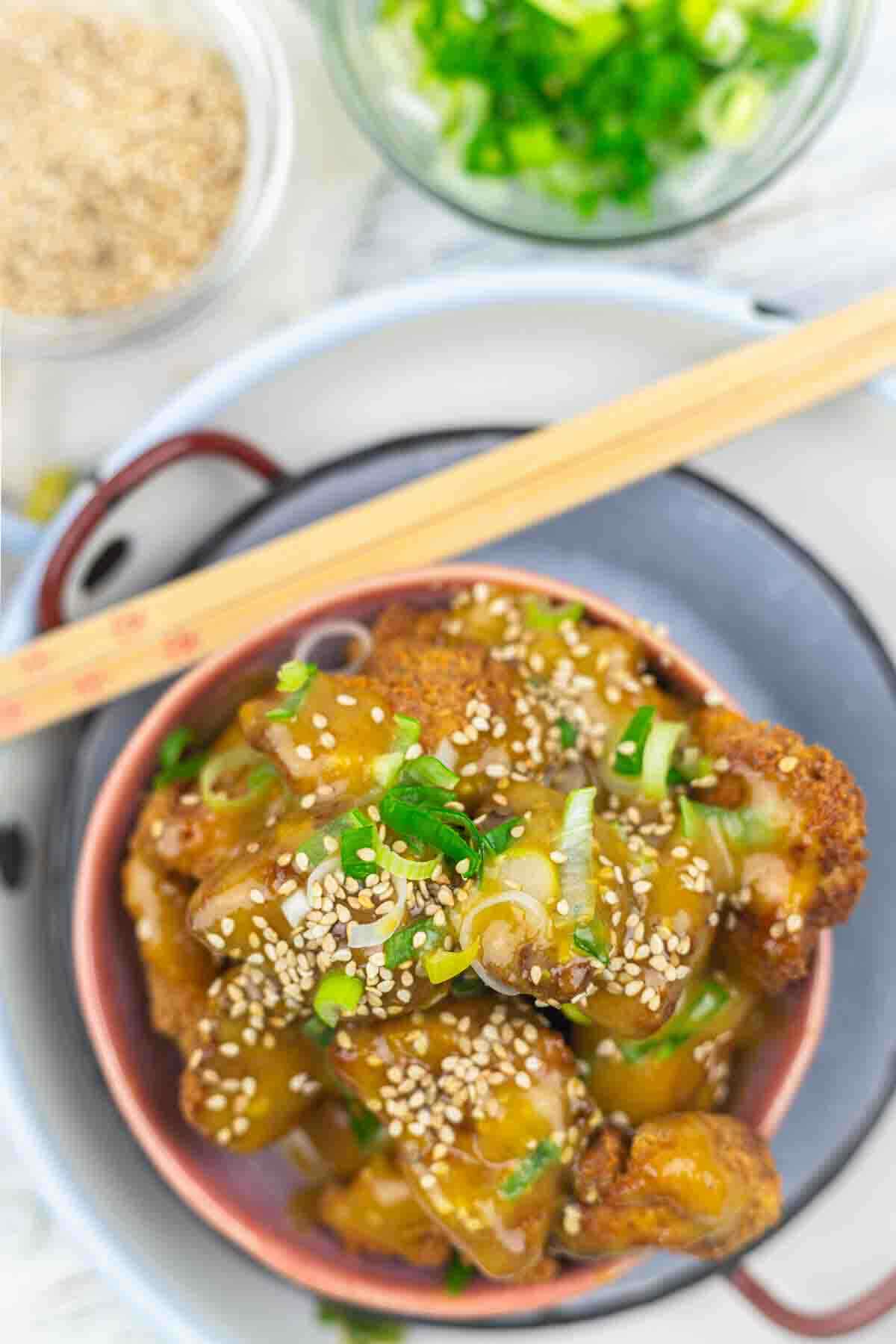
Browning isn’t just about color; it’s about building a foundation of flavor. I sear meat until it forms a deep crust, taking care not to overcrowd the pan, which can cause steaming instead. With vegetables, I roast them at high heat until their edges caramelize. This not only intensifies their flavor, but it also adds a hint of bitterness that balances sweeter elements in a dish.
Building a Flavor Base for Sauces and Braises
In braises, I take my time with the aromatics and the meat. I brown beef or chicken in batches to get even coloring and fond at the bottom of the pot. Then I cook onions, garlic, and sometimes tomato paste until deeply golden. That rich base clings to everything added after, from stock to wine, creating depth that feels earned rather than added.
Deglazing Unlocks Flavor
I never skip deglazing as a step because it’s the bridge between the browned bits and everything else. It brings those hidden flavors into the spotlight.
What to Use for Deglazing
After browning, there’s always a layer of caramelized bits stuck to the pan, what chefs call fond. That’s where flavor hides. I deglaze with just enough liquid to lift those bits: broth for savory stews, wine for richness or even a splash of vinegar for brightness. Scraping up that fond is like unlocking a hidden layer of taste.
Why It Matters in Soups and Sauces
In soups and sauces, deglazing brings the depth from the browned ingredients into the liquid, uniting all the components. I often do a mini-deglaze after browning tomato paste or onions before adding broth. That step alone takes the dish from basic to bold.
Putting It All Together
This is where it all connects. Layering techniques work best when used together, building flavor in ways that feel natural and intentional.
Layering in Soups and Sauces
I use layering techniques most often in soups and sauces because they benefit from slow building. In lentil soup, I start with garlic and onion, toast spices to wake them up, then brown tomato paste to add umami. I season in stages as each ingredient is added, broth, greens, lentils, to make sure nothing gets lost. Even a quick pasta sauce becomes more dynamic with browned garlic, a deglaze of pasta water and a swirl of grated cheese at the end.
Layering in Braises
When braising short ribs, I brown the meat in small batches so the pan stays hot and gives me a proper crust. I deglaze with red wine and reduce it slightly before adding stock and aromatics. Then, I let the braise cook low and slow, allowing the flavors to meld and intensify. Each step builds toward something rich, warming and deeply flavored.
Where Flavor Really Comes From
At first, I believed flavor was all about the ingredients, the garlic, the herbs, the splash of wine at the end. Now, I know it’s the way you treat those ingredients that makes the difference. Layering is now just part of how I think when I cook; it’s how I build flavor without relying on shortcuts. The more I pay attention to each step, the more my cooking reflects the kind of food I actually want to eat.
Pin and Come Back Anytime

Need Support or have Questions? Join us on Facebook.
Follow us on Pinterest, Instagram, TikTok, Flipboard, or YouTube.
For weekly New Recipes and a FREE E-Book get into our NEWSLETTER.
