Meals have a way of including or excluding people without meaning to. I didn’t realize how often that happened until I started cooking for people with special diets and lifestyles, gluten-free, dairy-free, plant-based, or a little of everything. At first, it felt like navigating a long list of ‘no’s.’ The more I cooked, the clearer it became, this isn’t really about restriction; it’s about choosing with care, and cooking in a way that respects different needs without sacrificing joy.

Special Diet Basics
I’ve learned to pay attention to ingredients that might trigger reactions or just don’t sit well with someone, and then find swaps that actually make sense. Gluten, dairy, and animal products each have a whole world of alternatives now, and honestly, they’re easier to use than I expected. Once I got the hang of it, building a solid foundation made the rest of the cooking feel way less complicated. That foundation starts with understanding the basics, what these special diets actually involve, and how to work with them without overthinking it.

Gluten-Free Cooking
According to the Mayo Clinic, a gluten-free diet is an eating plan that cuts out foods that have a protein in them called gluten. This means skipping wheat, barley and rye, plus any hybrids like triticale. Gluten is a protein that helps foods hold their shape, but for some people, it causes more harm than good.
The good news is, there are plenty of naturally gluten-free foods out there. Meats, seafood, vegetables, fruits and many grains like rice and quinoa are safe options. I usually stick with whole ingredients and use certified gluten-free products when I need things like oats or pasta. These days, there are also gluten-free versions of bread, baked goods and even soy sauce, so it’s much easier to build satisfying meals without the gluten.
Dairy-Free Substitutions
Many people are moving toward dairy alternatives for a mix of reasons, from managing health concerns to reducing their environmental impact. As a result, Medical News Today points out that one of the biggest challenges is replacing everyday staples like milk, cheese and yogurt in a way that still feels familiar and flavorful.
Dairy-free recipes swap out milk and cheese for almond milk, oat milk, coconut yogurt or cashew-based sauces. These alternatives often blend in seamlessly, especially when you season well and pair with rich ingredients. Over time, I’ve found that once you have a few go-to substitutes on hand, the transition becomes much easier, and the results are just as satisfying.
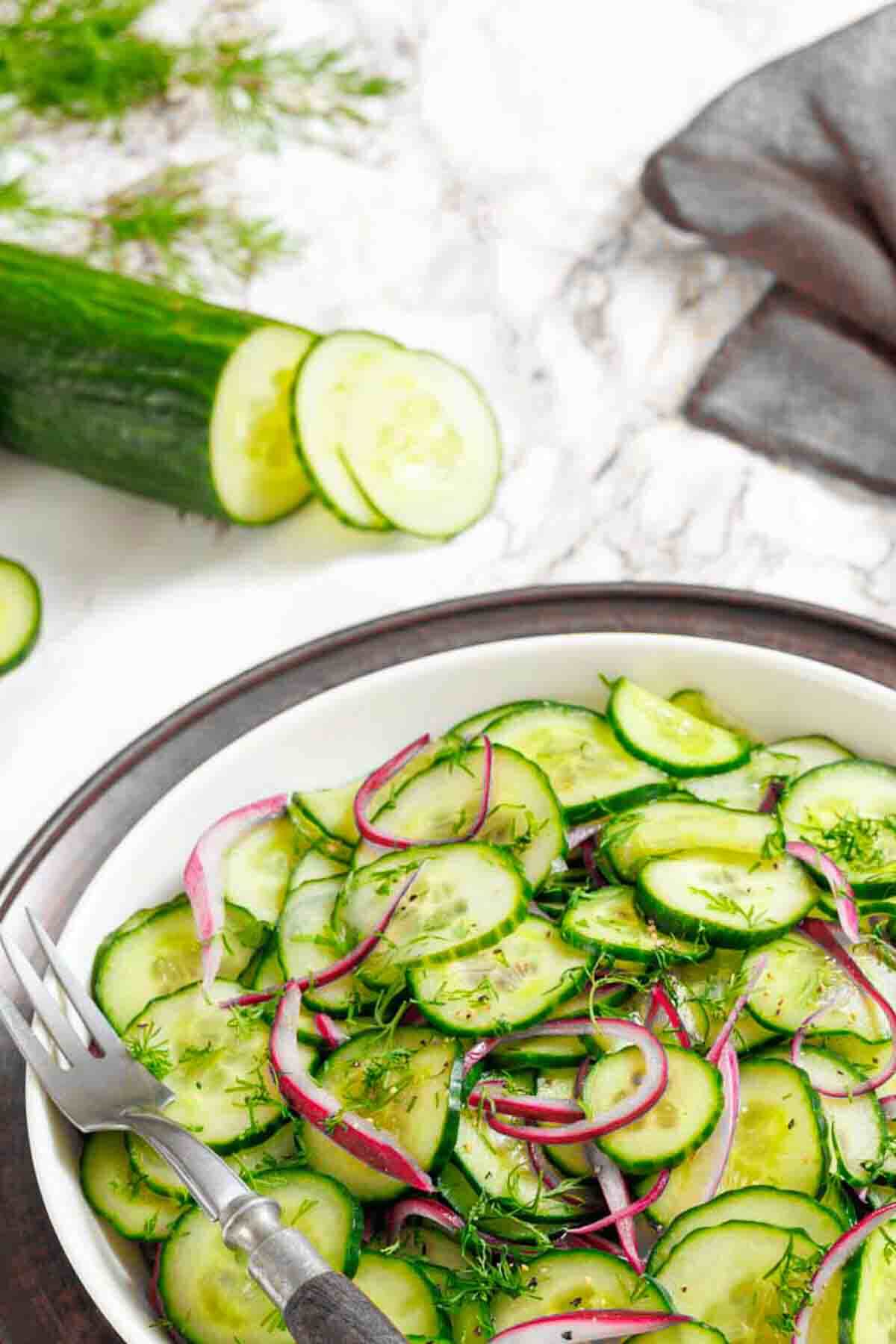
Vegetarian and Vegan Approaches
Data from SHI Macrobiotics states that a vegan diet means avoiding not just animal meat, but all animal products, including dairy, eggs, cheese and even honey. Some people also extend this lifestyle beyond food, avoiding animal-tested cosmetics or choosing to follow a raw vegan approach focused on uncooked, unprocessed foods. A vegetarian diet, on the other hand, is a bit more flexible. While it also skips meat and seafood, it may include dairy, eggs and other animal byproducts depending on the individual.
Understanding the distinction helps me plan better. I know who avoids eggs, who’s okay with a little dairy and who prefers to keep things fully plant-based. When I cook plant-based, I build meals around legumes, tofu, whole grains and seasonal vegetables. It’s not about replicating meat, it’s about highlighting flavor, fiber and color on the plate in ways that feel vibrant and complete.
Building Flavor Without Dairy or Gluten
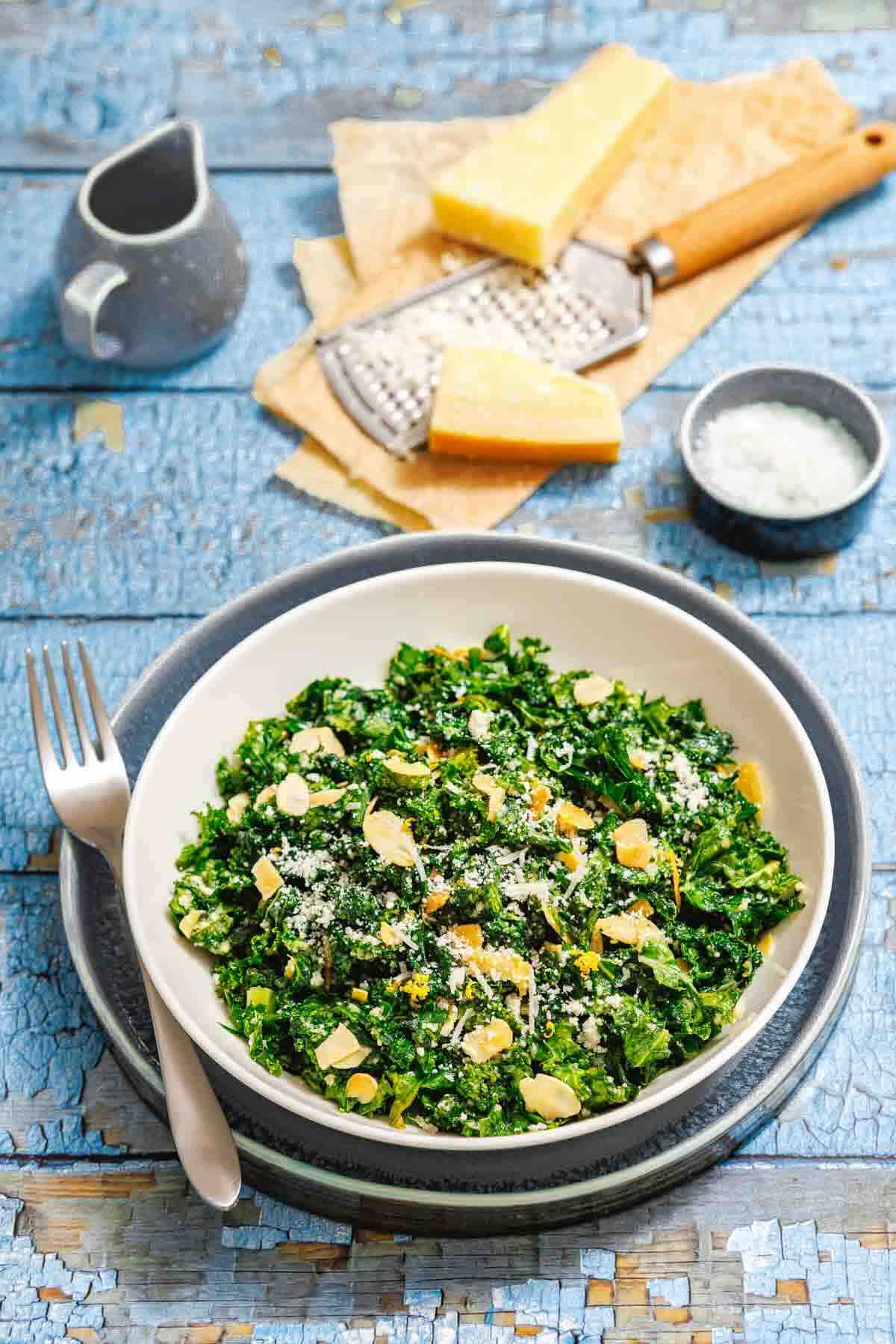
Cooking gluten or dairy-free recipes doesn’t mean food has to fall flat. Instead of leaning on dairy for richness or gluten-based flours for body, I layer flavors through other means. Fresh herbs bring brightness, citrus adds lift and aromatics like garlic, ginger and onions create a deep, flavorful base. I also use fermented ingredients like miso, tamari or nutritional yeast to add savory depth, especially in dishes that might otherwise feel plain.
When I’m skipping dairy, I build creaminess using pureed beans, blended cashews or coconut milk. For gluten-free meals, I think about texture, adding contrast with crispy chickpeas, soft polenta or chewy rice noodles. I’ve stopped trying to copy what’s missing and started leaning into what’s possible. Building flavor without dairy or gluten has pushed me to get more intentional, and in the process, more creative.
Pantry Staples That Work
When I started cooking for different diets, I quickly realized that having the right pantry staples makes everything easier. I focused on ingredients that are naturally gluten-free, dairy-free and plant-based so I could build meals without starting from scratch every time.
Dry Goods I Always Keep
These are the quiet heroes of my pantry, the stuff I turn to when I need a base that works for almost any diet. Canned beans, lentils and whole grains like quinoa, millet and polenta are always in rotation. They’re hearty, easy to prepare and play nice with whatever flavors I’m layering on top. I also keep gluten-free pasta and oats around for quick meals that don’t require a lot of thought.
Flavor Builders That Pull Weight
When a dish needs that something extra, I reach for these. Tamari gives me that salty, savory depth without the gluten. Tahini, miso and nutritional yeast bring richness and umami in totally dairy-free ways. Spices, garlic and citrus round things out.
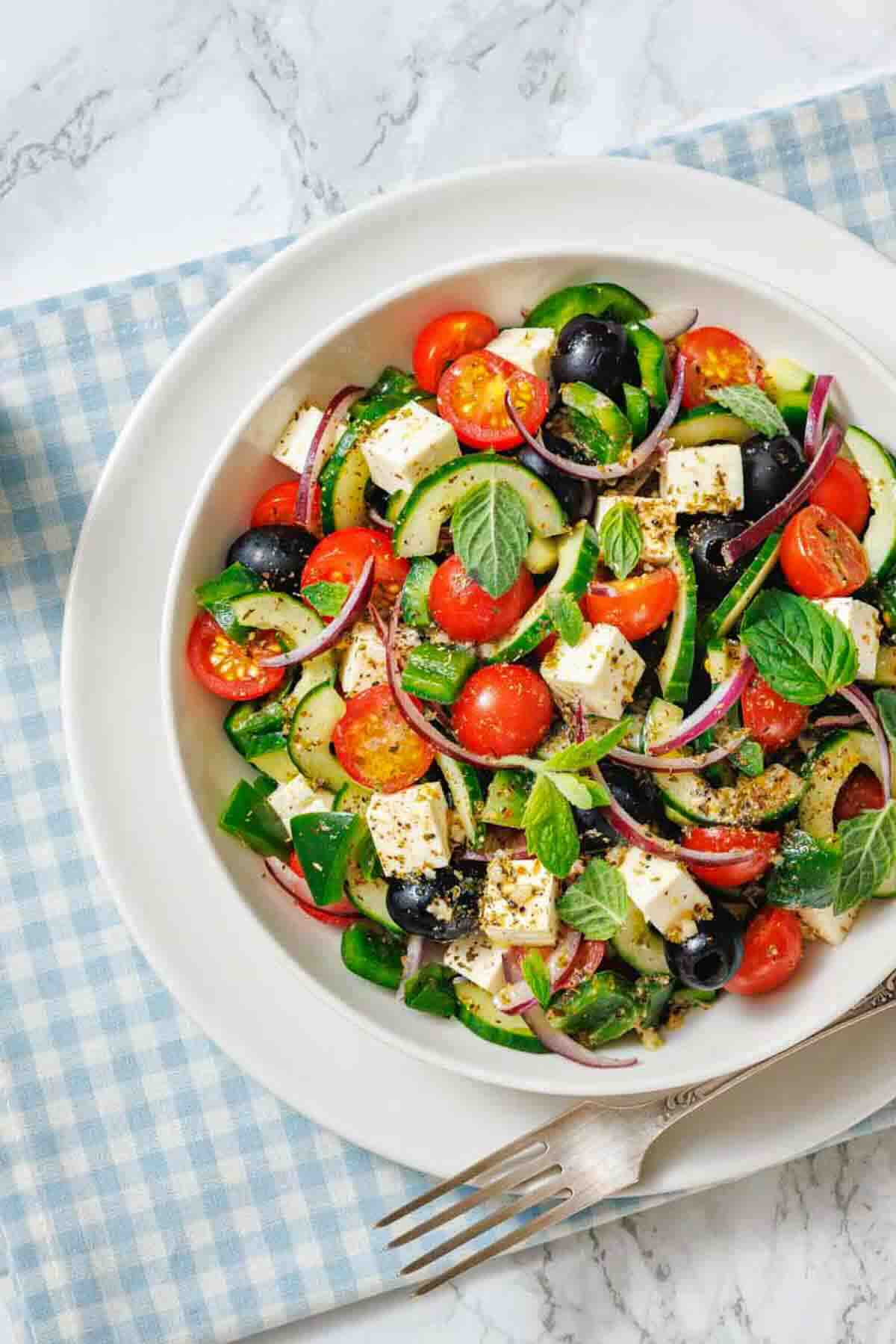
Shelf and Freezer Staples
Not everything needs to be fresh to be good. I rely on frozen fruits and vegetables when I’m low on time or between grocery runs. They’re just as nutritious and save me from tossing spoiled produce. Seeds like chia, flax and pumpkin add crunch and nutrients to everything from smoothies to grain bowls. These shelf-stable ingredients quietly keep things running when the fridge looks empty.
One Base, Many Variations
One thing that’s helped me the most? Making a base recipe that I can tweak at the end. Say I’m making a grain bowl. I start with quinoa or brown rice, roast some vegetables, and make a big batch of dressing. From there, I can keep it vegan, top it with grilled chicken, or sprinkle on cheese for those who eat dairy. This way, I’m not making five meals. I’m making one meal with smart variations.
I sometimes also keep add-ins and toppings in small bowls so everyone can assemble their version of the meal. It also helps reduce food waste, since leftovers can be packed into lunch boxes or repurposed the next day. Customizing from a shared base saves time, reduces stress and makes everyone feel included at the table.
Cooking That Connects
Cooking for special diets and lifestyles changed the way I look at food and the people I’m feeding. It’s made me more curious, more flexible, and honestly, more confident in the kitchen. I’ve stopped seeing substitutions as limits and started seeing them as chances to try something new. When everyone at the table feels seen and fed, that’s the kind of cooking I want to keep coming back to.
Pin and Come Back Anytime
Need Support or have Questions? Join us on Facebook.
Follow us on Pinterest, Instagram, TikTok, Flipboard, or YouTube.
For weekly New Recipes and a FREE E-Book get into our NEWSLETTER.
