Have you ever cut into a perfectly roasted chicken, spotted that telltale pink tint near the bone and immediately wondered: is pink chicken safe to eat? I’ve definitely been there, hovering over the plate with a fork in one hand and a small wave of panic rising in the other.

For the longest time, I assumed pink meant raw, and raw meant throw it back in the oven. But here’s the twist: color isn’t the dealbreaker we think it is. Pink chicken can actually be safe to eat if the internal temperature is where it should be.

Why Color Isn’t Always a Reliable Indicator
We’re used to thinking of doneness in terms of color. Brown crust? Done. Pink center? Probably not. But with chicken, things are a little more complicated. According to USDA, cooked poultry can range in color from white to pink to tan, and still be perfectly safe. The key is hitting a minimum internal temperature of 165°F (73.9°C). For whole birds, check the innermost part of the thigh and wing, as well as the thickest part of the breast.
That pink tint you sometimes see, even after proper cooking, isn’t always a red flag. Fully cooked chicken can still look pink near the bones or joints, especially if it’s been previously frozen or prepared with acidic ingredients like lemon juice or vinegar. These factors affect how proteins behave, and can trap pink pigment in the meat even after it’s safe.

Trust the Thermometer
The only way to know if your chicken is truly safe? Use a food thermometer. I used to eyeball everything, press on it, check the juices, poke with a fork, but those tricks aren’t reliable. Now, I stick my instant-read thermometer into the thickest part of the meat, avoiding bone and check for 165°F. That’s it. If it hits the mark, it’s good to go.
It was outlined by EatingWell that when you’re using a digital thermometer, make sure to insert it into the thickest part of the meat. If the chicken’s on the bone, be careful not to touch the bone itself; it conducts heat and can give you a false high reading.
This one simple step changed the way I cook. I’m no longer slicing into the middle just to make sure it’s “not too pink.” I check the temp and trust the process. No more overcooked, dried-out chicken, just to be sure.
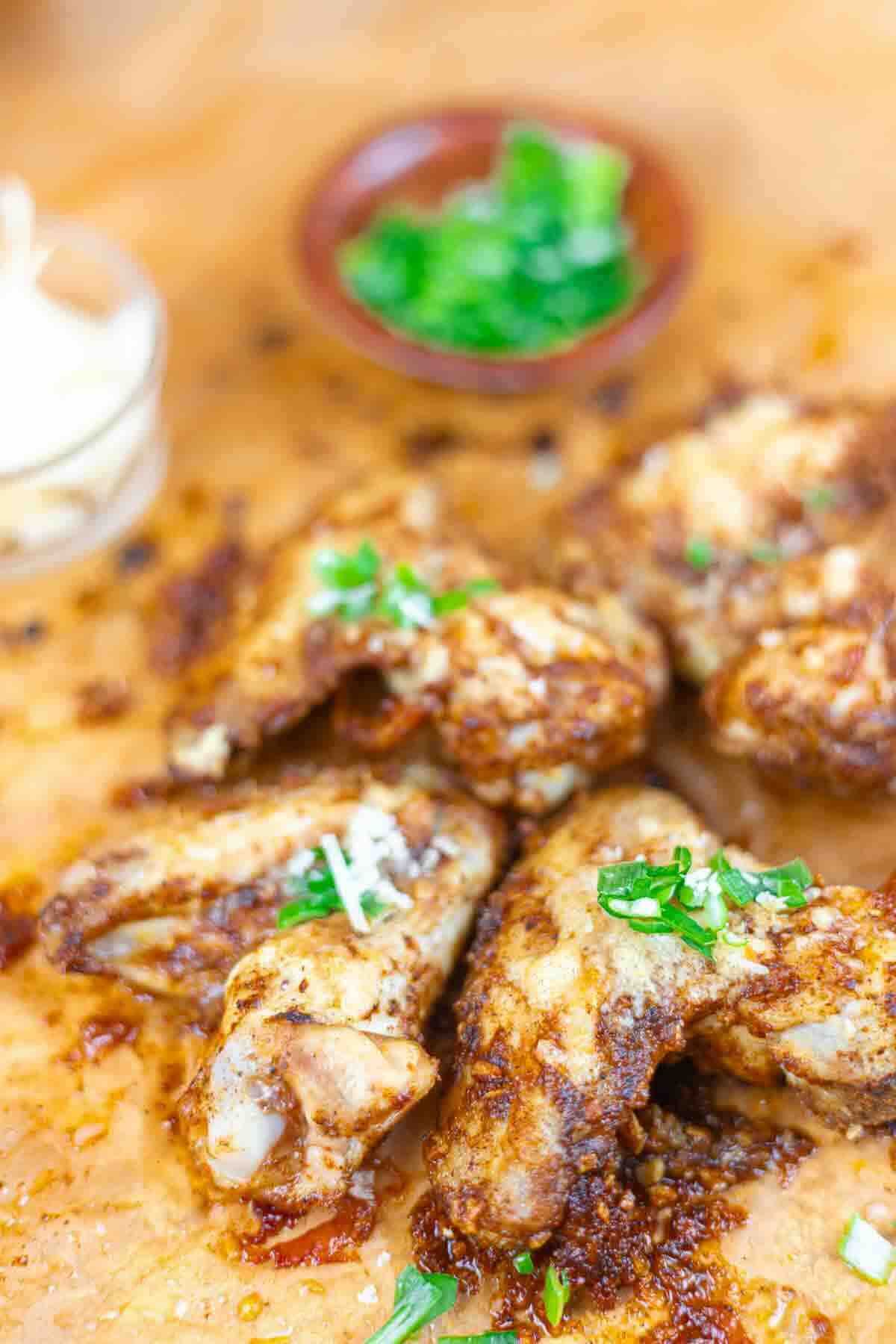
What Causes Chicken to Stay Pink?
Even when your chicken hits the right internal temperature, a little pink can still show up, and it’s not always a sign that something’s gone wrong. There are a few behind-the-scenes factors that can give cooked chicken that rosy hue. Knowing what they are can help you stay calm at the cutting board.
Bone Marrow Pigment
Younger chickens have more porous bones. As they cook, bone marrow can leak into the surrounding tissue, tinting it pink. It’s completely harmless and doesn’t mean the meat is undercooked.
Freezing Effects
When chicken has been frozen, ice crystals can damage the cell walls. As it thaws and cooks, pigments can move around more freely, which sometimes causes a pink appearance in fully cooked meat.

Acidic Marinades
Marinades made with lemon, vinegar or yogurt can affect the way proteins behave. These acids can lock in pigment or alter how meat changes color during cooking, so your chicken might look pink even when it’s completely done.
Smoking or Grilling
Low and slow cooking methods, like smoking, often create a smoke ring, that pink layer just below the surface of the meat. It’s common and completely normal. The pink doesn’t mean raw; it just means flavor.
Pink Doesn’t Mean Panic
Cutting into pink chicken used to feel like stepping on a culinary landmine. Do you trust it, or send it back to the oven just in case? But once someone understands how cooking temps work, that pink doesn’t seem so intimidating. It’s not about guessing anymore, it’s about trusting the thermometer, understanding the science and enjoying the meal without second-guessing every slice.
Pin and Come Back Anytime

Need Support or have Questions? Join us on Facebook.
Follow us on Pinterest, Instagram, TikTok, Flipboard, or YouTube.
For weekly New Recipes and a FREE E-Book get into our NEWSLETTER.
